Check valves are one of the most essential yet overlooked components in any fluid or hydraulic system. Their job is simple — allow flow in one direction and block it in the reverse — but the consequences of choosing the wrong one are anything but simple. A poorly selected check valve can lead to water hammer, pump damage, pressure surges, and costly downtime. That’s why sourcing from a Leading Check Valves Manufacturer matters far more than buyers often realize.
If you’re evaluating suppliers for your plant, project, or OEM assembly line, this guide walks you through everything you need to know before you place an order — from valve types and materials to certifications and what separates a dependable supplier from the rest.
Why Working With a Leading Check Valves Manufacturer in India Matters
India has become a global hub for industrial valve manufacturing, thanks to a combination of skilled engineering talent, competitive production costs, and increasingly strict quality standards. However, not every supplier in the market delivers the same level of precision or reliability.
A Leading Check Valves Manufacturer brings several advantages to the table:
- Consistent quality control — every batch is tested for cracking pressure, sealing performance, and durability before it leaves the factory.
- Engineering expertise — decades of hands-on experience translate into valves that perform reliably even under fluctuating pressure and temperature conditions.
- Custom solutions — the ability to design valves for non-standard applications, port sizes, or flow rates rather than forcing your system to fit a generic product.
- Global compliance — adherence to international standards so the same valve performs whether it’s installed in Mumbai or overseas.
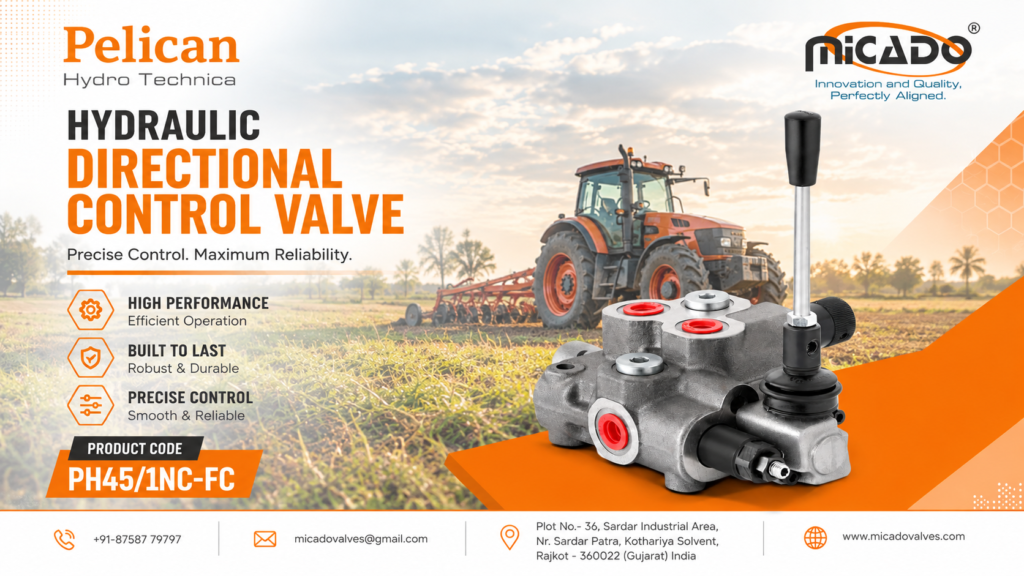
Micado Valves, established in 2007 under Pelican Hydro Technica, is a good example of this evolution — a manufacturer that has grown from a domestic hydraulic valve producer into a name trusted across India and international markets, with a focus on precision engineering and long-term reliability.
Understanding Check Valve Types Before You Buy
Before approaching any supplier, it helps to understand which valve type suits your application. The major categories include:
Swing Check Valves – Use a hinged disc that swings open with forward flow and closes under reverse pressure. Common in water, wastewater, and general industrial piping.
Lift Check Valves – Feature a disc that lifts off its seat with flow and drops back into place when flow reverses. Ideal for high-pressure steam and gas systems.
Ball Check Valves – Use a free-floating or spring-loaded ball as the sealing element. Well suited to viscous fluids and systems with slurry or particulate content.
Dual Plate (Wafer) Check Valves – Compact, lightweight, and fast-closing, making them popular where space is limited and quick shutoff is needed to prevent water hammer.
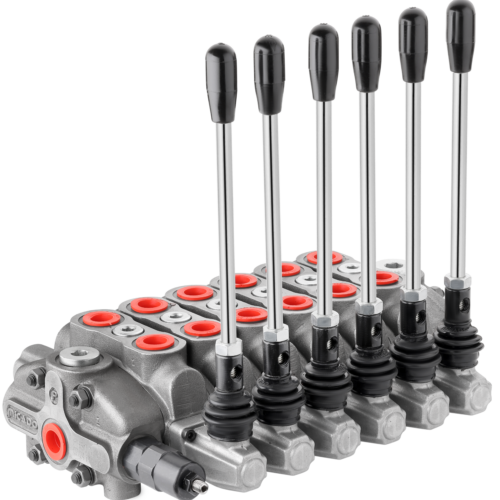
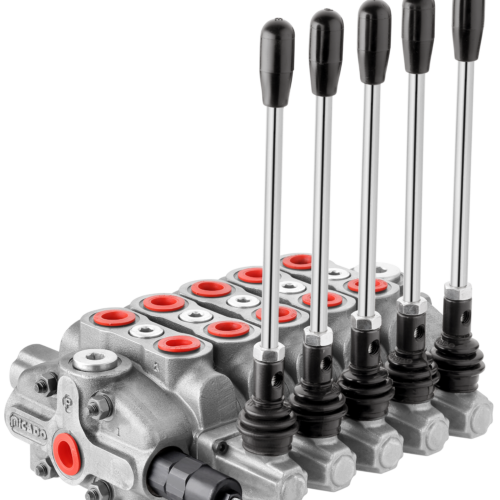
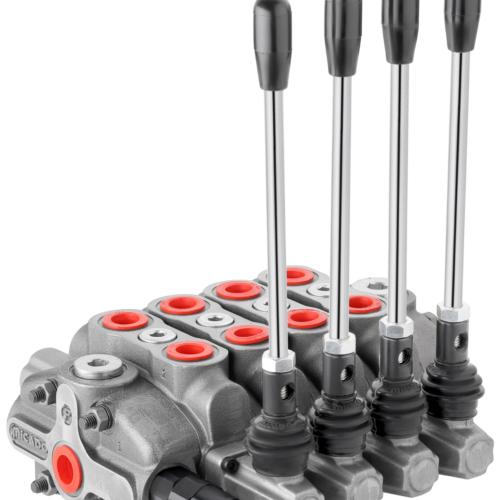
Pilot-Operated and Cartridge Check Valves – Common in hydraulic power units, these valves control directional flow in circuits protecting pumps, cylinders, and motors from reverse flow and pressure spikes.
Each design has trade-offs in terms of pressure drop, response time, and maintenance needs, which is why consulting directly with your supplier’s engineering team — rather than choosing off a catalog alone — usually leads to a better outcome.
What Makes Micado Valves a Leading Check Valves Manufacturer
When evaluating any hydraulic or industrial valve supplier, a few factors consistently separate the reliable ones from the rest.
Manufacturing Precision and Material Quality
A dependable manufacturer works with certified raw materials — cast steel, stainless steel, alloy steel, or brass depending on the application — and follows tight machining tolerances. This ensures the valve seals properly under pressure and resists wear over years of continuous operation. Micado Valves has built its reputation around precision engineering and quality craftsmanship in premium hydraulic control valves, an approach that extends naturally to their check valve offerings.
Application-Specific Engineering
Not every industry has the same requirements. Oil and gas operations demand valves that withstand corrosive media and extreme pressure. Power generation plants need valves rated for high-temperature steam service. Construction and agricultural machinery require compact, rugged designs that can handle mobile hydraulic applications and constant vibration. A Leading Check Valves Manufacturer designs and tests products with these real-world conditions in mind, rather than offering a single generic solution across every sector.
Testing and Certification Standards
Reliable manufacturers test every valve for cracking pressure, resealing performance, and leak-tightness before shipment. Look for suppliers who can demonstrate compliance with relevant international benchmarks and provide test certificates on request — this is non-negotiable for critical applications in petrochemical, power, and process industries.
After-Sales Support and Technical Guidance
A genuine industry leader doesn’t disappear after the sale. Ongoing technical support, spare parts availability, and responsive service during installation or troubleshooting are what turn a one-time buyer into a long-term customer.
Key Factors to Evaluate Before Choosing a Check Valve Supplier
When you’re comparing manufacturers, run through this checklist:
- Pressure and temperature rating — Confirm the valve is rated for your system’s actual operating conditions, not just nominal specs.
- Material compatibility — Match the valve body and seal material to the fluid being handled (water, oil, chemicals, gas, or slurry).
- Flow rate and cracking pressure — Ensure the valve opens and closes at pressures appropriate for your system to avoid chatter or excessive pressure drop.
- Port size and connection type — Threaded, flanged, or cartridge-mounted — the connection style must match your existing piping or hydraulic block.
- Certifications and test reports — Ask for documentation proving the valve meets applicable industry standards.
- Lead time and manufacturing capacity — Especially important for bulk orders or time-sensitive project deadlines.
- Customization capability — If your application is non-standard, confirm the manufacturer can engineer a solution rather than forcing a compromise.
Buyers who skip this evaluation often end up with valves that technically “work” but underperform, wear out faster, or require premature replacement — all of which cost more in the long run than the initial savings on a cheaper unit.
Industries That Rely on Quality Check Valves
Check valves aren’t limited to one sector — they’re foundational components across:
- Oil, gas, and petrochemicals, where backflow prevention protects pipelines and processing equipment
- Power generation, where steam and cooling systems depend on precise directional flow control
- Construction and mobile hydraulic equipment, where compact, vibration-resistant valves protect cylinders and motors
- Agriculture and irrigation systems, where reliability under variable flow conditions is essential
- Water treatment and municipal infrastructure, where preventing contamination and backflow is a safety requirement
Because the stakes vary so widely across these industries, sourcing from a Leading Check Valves Manufacturer with proven cross-industry experience reduces the risk of specifying the wrong product for your specific use case.
Final Thoughts: Choosing the Right Partner, Not Just a Product
A check valve might seem like a small, low-cost component compared to the pumps, cylinders, and systems it protects — but its failure can bring an entire operation to a halt. That’s why the manufacturer you choose matters as much as the valve specification itself.
Look for a supplier with a proven manufacturing history, application-specific engineering expertise, transparent testing standards, and responsive technical support. Companies like Micado Valves — built on precision hydraulic engineering since 2007 — represent the kind of long-term manufacturing partner that Indian and global industries need for dependable, backflow-free operation.
Before your next purchase, take the time to vet your supplier the way you’d vet any critical piece of equipment. The right check valve, from the right manufacturer, pays for itself many times over in avoided downtime and extended equipment life.