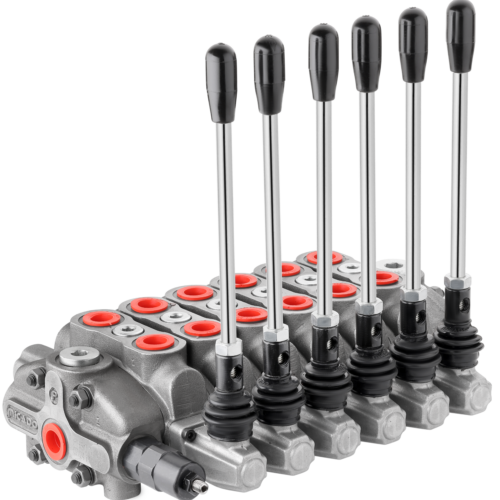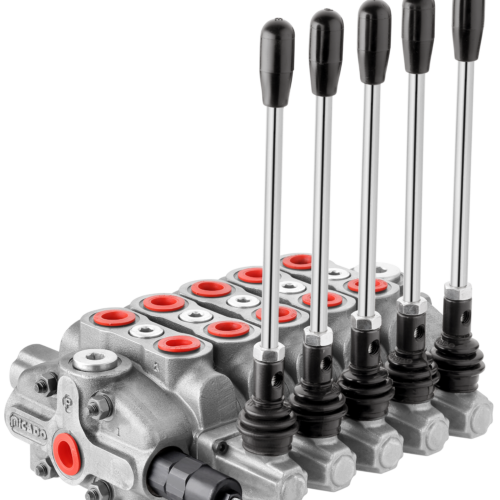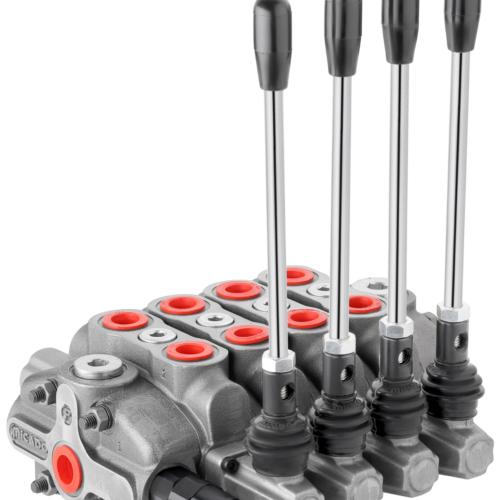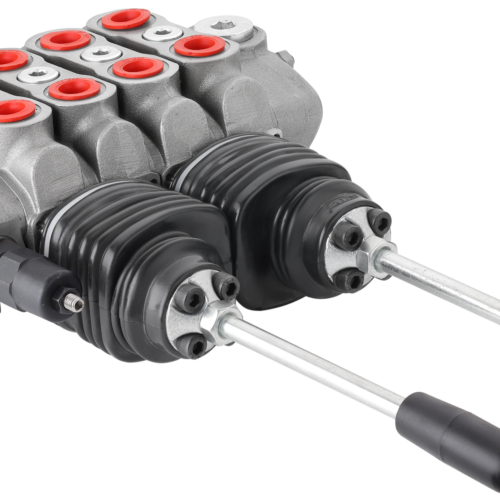
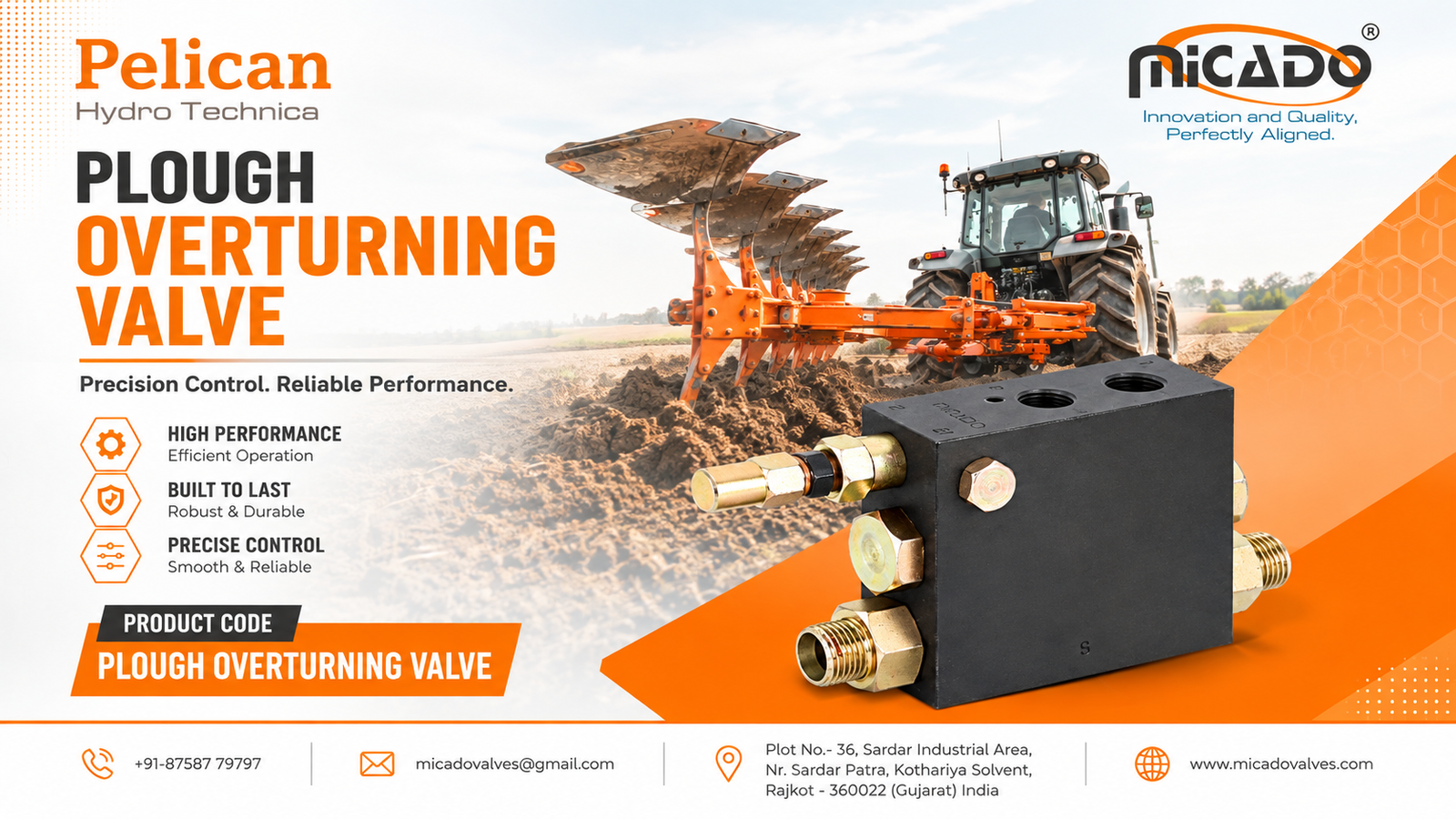
Reversible ploughs depend on one small but critical hydraulic component to function smoothly: the plough overturning valve. This valve automatically reverses oil flow inside the hydraulic cylinder, allowing the plough frame to flip from one working side to the other without manual intervention. If you’re in the agricultural machinery business — whether as an OEM, dealer, exporter, or farm equipment manufacturer — sourcing from the right Plough Overturning Valve Manufacturers is one of the most important decisions you’ll make for product reliability and long-term customer satisfaction.
India has steadily emerged as a global hub for hydraulic component manufacturing, thanks to lower production costs, skilled engineering talent, and government initiatives like “Make in India.” But with so many suppliers claiming expertise, how do you actually find dependable Plough Overturning Valve Manufacturers who deliver consistent quality? This guide breaks it down.
Understanding the Role of a Plough Overturning Valve
Before evaluating suppliers, it helps to understand what the product actually does. A plough overturning valve is fitted onto the hydraulic cylinder of a reversible plough. As the tractor completes one furrow and needs to turn, the valve triggers a differential pressure relief mechanism that reverses the piston rod exactly at the plough’s dead centre. This gives the operator smooth, automatic rotation without stopping the tractor or manually adjusting hydraulics.
These valves typically feature:
- A double-acting check valve for added safety and load-locking at any position
- Zinc-plated steel bodies with hardened, ground-steel internal components
- Compatibility with cylinder bore sizes ranging from around 40/50mm up to 110/130mm
- Configurations for in-furrow or on-land ploughing, with or without reverse alignment
Because this component directly affects field productivity and equipment downtime, sourcing from experienced Plough Overturning Valve Manufacturers rather than generic hydraulic fabricators makes a measurable difference in performance.
Why India Has Become a Preferred Sourcing Destination
Cost-Effective Precision Engineering
Indian manufacturers combine competitive labor and production costs with increasingly sophisticated CNC machining and quality-control processes. This allows buyers — both domestic and international — to access precision-engineered hydraulic valves without the premium pricing associated with European or North American suppliers.
Growing Export Infrastructure
Many Indian hydraulic component makers now manufacture to international standards and export to Europe, the Middle East, Africa, and Southeast Asia. This export orientation often pushes manufacturers toward better testing protocols, more consistent tolerances, and improved documentation — all useful signals when you’re vetting a supplier.
A Maturing Agricultural Machinery Ecosystem
India’s large domestic agricultural equipment industry means there’s a steady demand base for components like plough overturning valves, sequence valves, non-stop valves, and other plough-related hydraulics. This sustained demand has allowed specialist manufacturers to refine their product lines over years of field feedback, rather than producing on a one-off or purely export-driven basis.
How to Identify Reliable Plough Overturning Valve Manufacturers
Not every supplier listed online will meet the durability and precision standards your equipment needs. Here’s what separates trustworthy manufacturers from the rest.
Material and Build Quality
Check whether the manufacturer uses zinc-plated steel bodies and hardened, ground-steel internals — this is the industry standard for corrosion resistance and long-term wear performance. Ask for material certifications where possible.
Pressure Rating and Testing Standards
A quality valve should specify clear exchange pressure and maximum pressure ratings (commonly around 150–230 bar exchange pressure and up to 400 bar maximum, depending on the model). Reliable Plough Overturning Valve Manufacturers will provide this data upfront rather than vague performance claims.
Range of Configurations
Good manufacturers typically offer multiple variants — simple-acting, double-acting, with or without load alignment, in-farrow or on-land configurations, and various cylinder bore compatibility. A narrow product range often signals limited engineering capability.
Customization Capability
Agricultural machinery manufacturers frequently need valves adapted to specific cylinder dimensions, thread sizes, or mounting configurations. Suppliers who can accommodate custom specifications — rather than offering only fixed catalog items — tend to serve OEM relationships better long-term.
Track Record and Client Base
Look for manufacturers with an established presence serving both domestic tractor-implement makers and export markets. Longevity in this fairly specialized niche is a strong indicator of consistent quality, since underperforming valves get flagged quickly by farmers and dealers alike.
Where to Actually Look for Suppliers
Industrial Directories and B2B Marketplaces
Platforms like IndiaMART, TradeIndia, and industry-specific directories list numerous hydraulic component suppliers, though quality varies widely. Use these primarily to build a shortlist, not as a final decision-making tool.
Trade Fairs and Agricultural Machinery Expos
Events focused on farm equipment and hydraulics allow you to physically inspect valve samples, discuss specifications directly with engineers, and compare multiple Plough Overturning Valve Manufacturers side by side.
Direct Manufacturer Websites
Established manufacturers with dedicated product pages, technical drawings, and specification sheets are generally more transparent and easier to evaluate than resellers or trading companies. Sites like Micado Valves are worth reviewing directly, since manufacturer-run platforms typically provide clearer technical documentation than third-party listings.
Referrals from Tractor and Implement Manufacturers
If you’re a smaller dealer or workshop, ask larger OEMs or established distributors which suppliers they rely on. Referrals cut through marketing claims and give you real-world reliability feedback.
Questions to Ask Before Finalizing a Supplier
- What cylinder bore sizes and pressure ranges does your valve range cover?
- Can you provide technical drawings and material specifications?
- Do you offer both standard catalog models and custom configurations?
- What is your typical lead time and minimum order quantity?
- Do you provide warranty coverage or replacement support for defective units?
Asking these questions upfront filters out suppliers who can’t back their claims with documentation — a common issue when comparing multiple Plough Overturning Valve Manufacturers purely on price.
Final Thoughts
Choosing the right hydraulic valve supplier isn’t just a procurement decision — it directly affects how well reversible ploughs perform in the field, how often equipment needs servicing, and ultimately how satisfied your end customers are. India’s manufacturing base offers strong value, but due diligence still matters. Prioritize manufacturers who are transparent about materials, pressure ratings, and customization options, and who can demonstrate real experience serving both domestic and export markets.
If you’re currently sourcing or comparing options, reviewing established Plough Overturning Valve Manufacturers with clear technical documentation — rather than relying solely on marketplace listings — will save you time and reduce the risk of quality issues down the line.