Mobile hydraulic systems power some of the toughest machines in the world. This includes agricultural tractors, forklifts, construction equipment, and mining vehicles. At the heart of every one of these systems lies a single, critical component: the control valve. Industries today demand higher precision, longer service life, and greater efficiency. Because of this, the role of a reliable Hydraulic Mobile Control Valves Manufacturer has never been more important.
India has steadily emerged as a global hub for hydraulic component manufacturing. It combines engineering expertise with cost-efficient production. Companies like Micado Valves, based in Rajkot, Gujarat, have led this shift since 2007. They deliver valve solutions that meet international performance standards. At the same time, their products remain accessible to manufacturers worldwide.
Understanding Hydraulic Mobile Control Valves
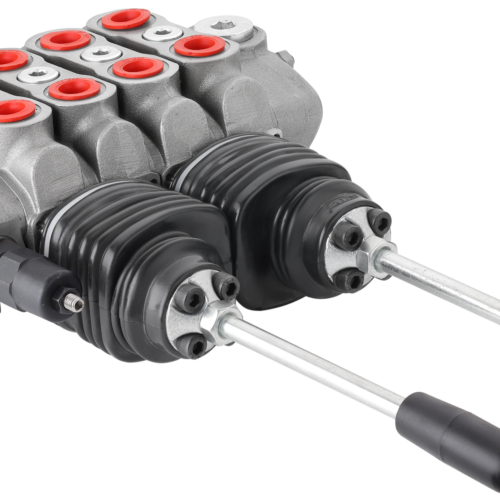
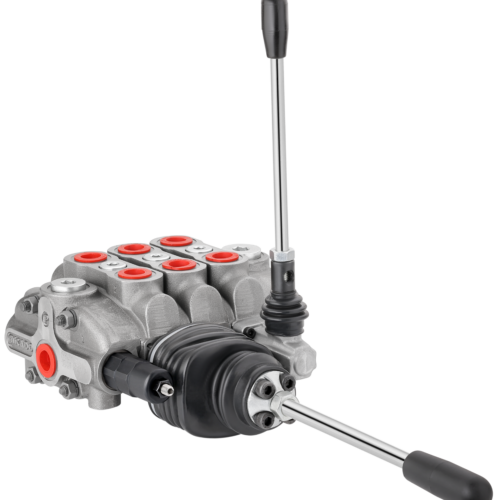
A hydraulic mobile control valve regulates fluid flow, direction, and pressure within a machine’s hydraulic circuit. Mobile control valves differ from stationary industrial valves in one key way. They are built to withstand constant vibration, variable loads, and outdoor exposure. At the same time, they must maintain precise control over machine functions like lifting, steering, and tilting.
These valves fall into two broad categories:
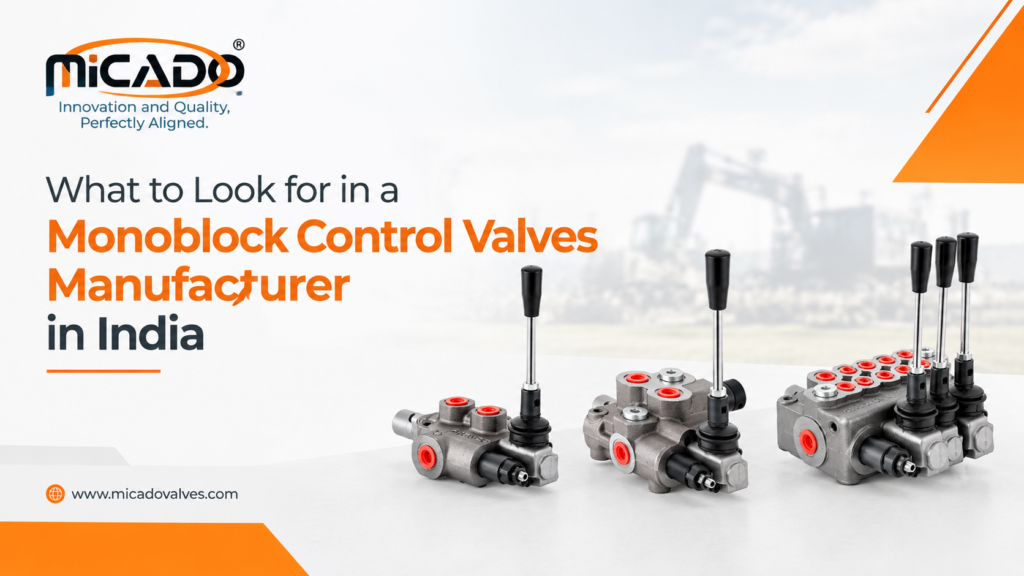
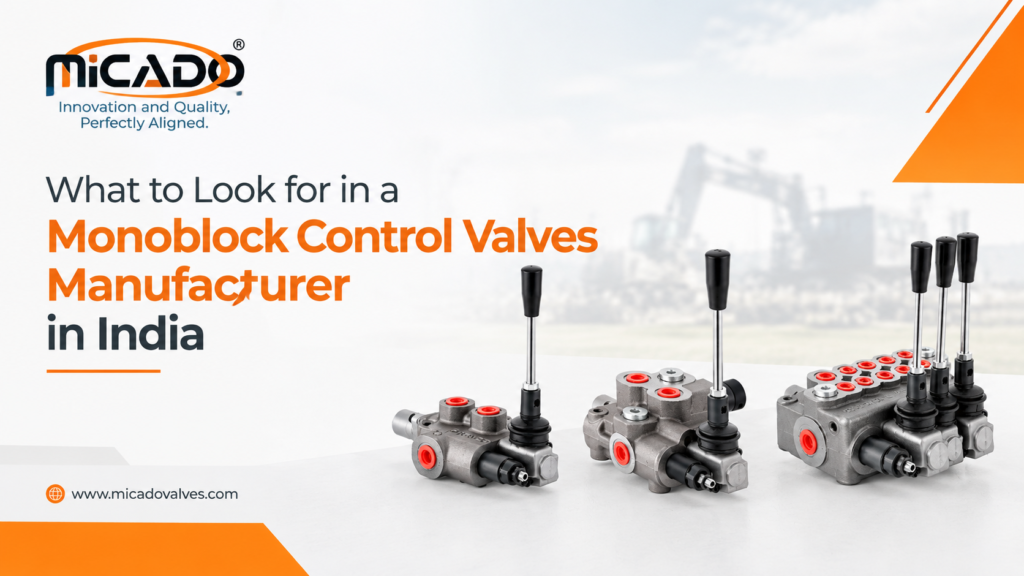
- Monoblock Control Valves — cast as a single housing. This offers a compact design and fewer leak points. It suits applications that need simplicity and durability.
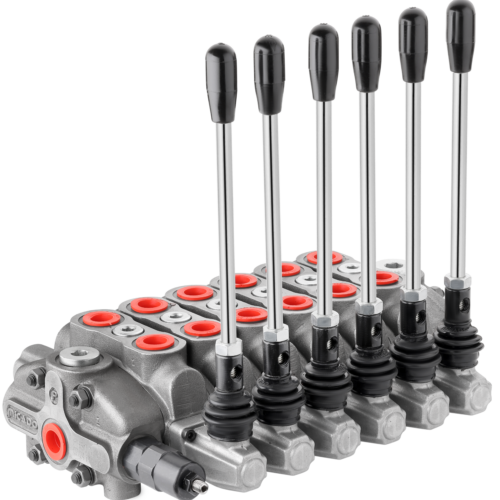
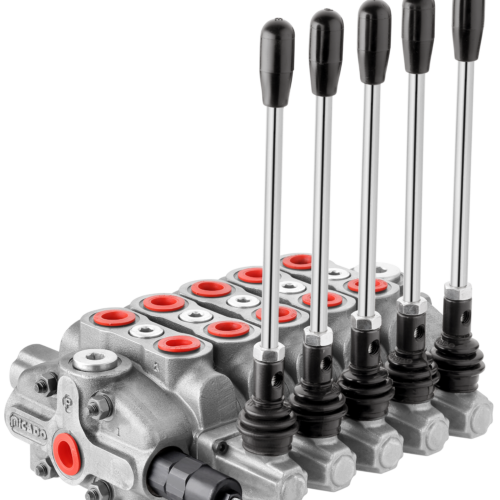
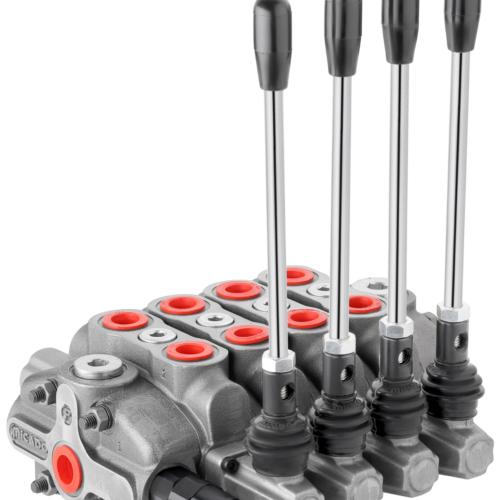
- Sectional Control Valves — built from individual sections. Sections can be added or removed as needed. This gives flexibility for machines with varying functions.
Both types appear across agricultural machinery, forklifts, tippers, truck-mounted cranes, and construction equipment. Dependable hydraulic control directly affects safety and productivity in these applications.
Why Design Precision Matters
Valve design determines how efficiently a machine performs under load. Poorly engineered valves cause pressure drops and fluid contamination. They also wear out faster. All of this leads to costly downtime. A skilled Hydraulic Mobile Control Valves Manufacturer focuses on a few key areas:
- Precise machining tolerances to minimize internal leakage
- Optimized flow paths that reduce pressure loss and heat
- Strong sealing systems that block contamination in harsh environments
- Ergonomic hand-lever or pilot-operated controls for smoother handling
Every micron of manufacturing precision matters. It leads to smoother operation and longer component life in the field.
Durability: Built for Real-World Conditions
Mobile hydraulic equipment rarely works in controlled environments. Valves face temperature extremes, dusty job sites, and constant mechanical stress. Material selection and build quality make the real difference here. They separate a valve that lasts for years from one that fails within months.
Key Factors That Determine Valve Durability
- Material Quality — High-grade cast iron or steel resists corrosion. It also holds up under repeated pressure cycles.
- Surface Treatment — Anti-corrosive coatings protect components from moisture and chemicals.
- Seal Engineering — NBR seals handle wide temperature ranges. Most are rated from -20°C to 80°C. This ensures steady performance across seasons and regions.
- Pressure Tolerance — Valves rated up to 250 bar (3600 psi) handle demanding applications. They resist deformation and failure under heavy use.
Strong manufacturers invest in rigorous testing. This includes pressure testing, leak testing, and cyclic load testing. These steps help ensure valves perform reliably for years.
India’s Growing Manufacturing Capability
India’s hydraulic component industry has matured over the past two decades. Access to skilled engineers plays a big role in this growth. So does competitive production cost. Modern CNC and precision casting technology add to the shift. Together, these factors let Indian manufacturers compete globally.
A capable Hydraulic Mobile Control Valves Manufacturer in India typically offers:
- In-house design and prototyping capabilities
- Customization options for OEM-specific applications
- Compliance with international quality benchmarks
- Scalable production for domestic and export markets
This mix of technical skill and manufacturing scale matters. It has made Indian valve manufacturers reliable partners. This holds true across agriculture, construction, material handling, and mining. It applies both within India and to global buyers seeking quality, cost-effective components.
Applications Across Industries
Hydraulic mobile control valves serve many types of machinery:
- Agricultural equipment — tractors, harvesters, and attachments that need precise directional control
- Construction machinery — excavators, loaders, and cranes operating under variable loads
- Material handling equipment — forklifts and tippers that need smooth, responsive lift and tilt functions
- Mining vehicles — heavy-duty machines built for abrasive, high-stress environments
Each application places different demands on valve performance. This is why engineering flexibility remains essential for any serious manufacturer.
What to Look for in a Manufacturing Partner
Price alone shouldn’t drive your sourcing decision. Equipment builders should also weigh these factors:
- Years of experience in the hydraulics industry
- Product range — covering monoblock, sectional, directional, and pressure relief valves
- Quality certifications and testing protocols
- Customization capability for specific applications
- After-sales support and technical consultation
A strong manufacturer combines engineering depth with responsive service. That combination delivers long-term value well beyond the initial purchase price.
Conclusion
Mobile hydraulic equipment keeps evolving toward greater efficiency and reliability. Because of this, sourcing from an experienced Hydraulic Mobile Control Valves Manufacturer matters more than ever. Design precision, material durability, and manufacturing capability shape how a valve performs. Together, they determine how much value it delivers to the machines it powers.
India’s growing reputation reflects a bigger shift. The country is moving toward high-quality, cost-competitive hydraulic manufacturing. This serves both domestic industries and global export markets. Equipment builders evaluating hydraulic partners should focus on three things: engineering expertise, proven durability, and manufacturing scale. These factors ensure long-term operational reliability.