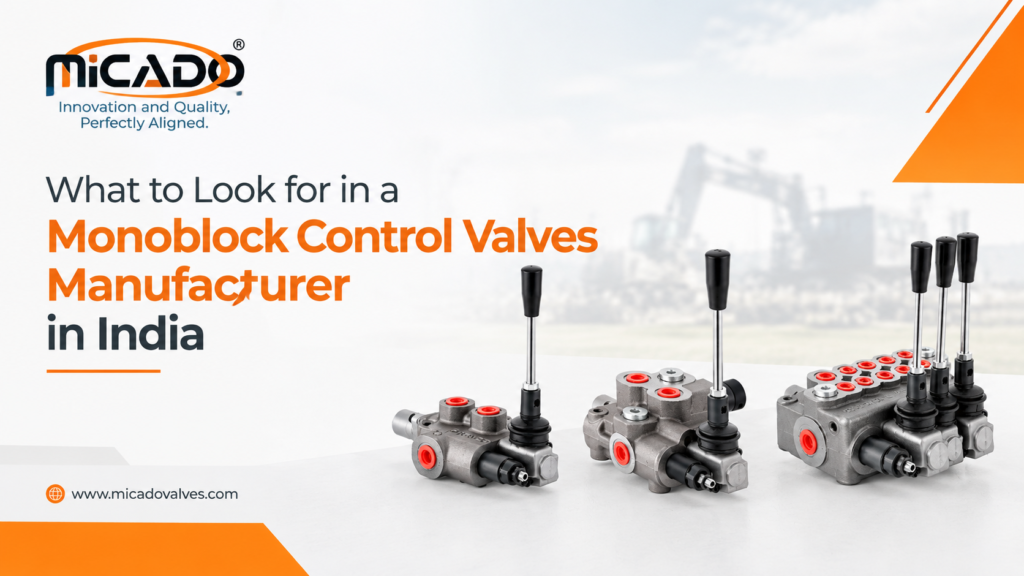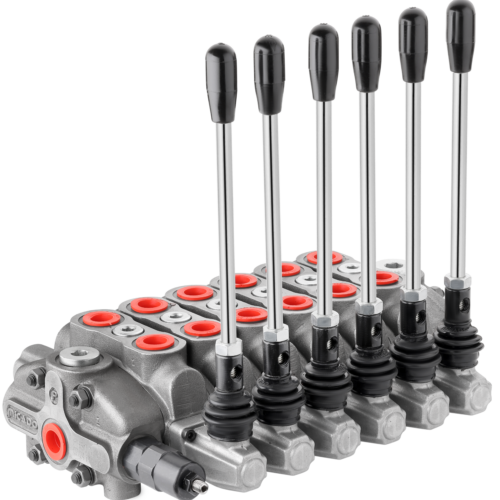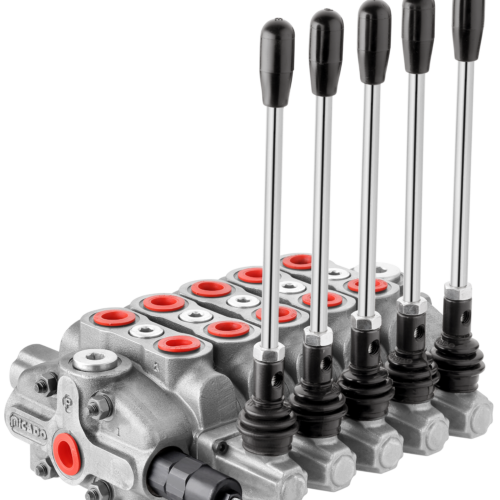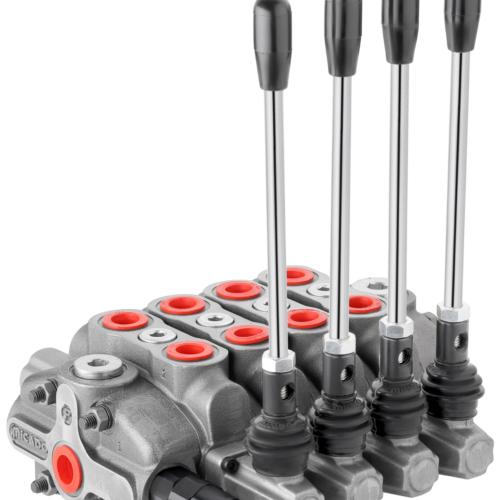
India’s industrial and agricultural machinery sectors run on one quiet but critical component: the hydraulic control valve. It controls fluid flow, pressure, and direction inside a hydraulic system. A tractor’s lift system depends on it. So does a construction excavator or a factory press. The performance of the entire machine depends on how precisely this one part works. This is why choosing the right Hydraulic Control Valve Manufacturer matters. It’s not just about product quality. It’s about long-term reliability, safety, and cost efficiency.
What Is a Hydraulic Control Valve?
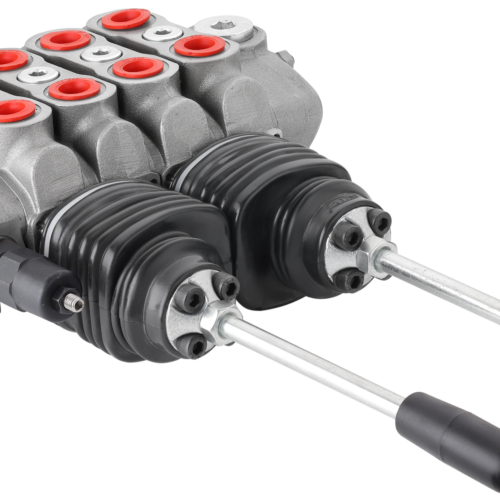
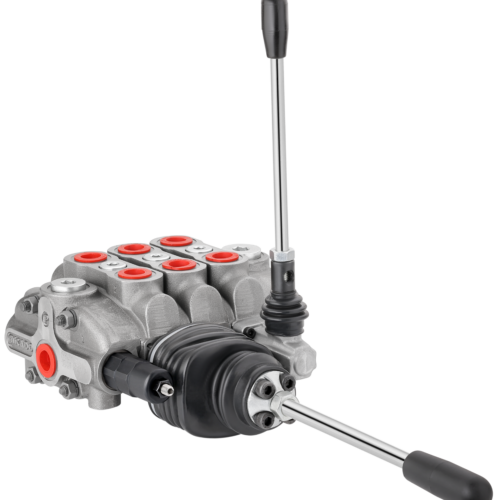
A hydraulic control valve regulates flow, pressure, and direction inside a hydraulic system. Think of it as the “brain” of hydraulic machinery. It directs fluid to the right actuator. It does this at the right pressure and the right moment. Without it, cylinders wouldn’t extend or retract predictably. Pumps would risk damage from pressure spikes. Operators would lose fine control over machine movement.
These valves fall into a few core categories:
- Directional control valves – determine the path fluid takes through a system
- Pressure control valves – protect components by regulating maximum pressure
- Flow control valves – manage actuator speed by controlling flow rate
Each type plays a distinct role. But all of them depend on precision engineering. A valve off by even a fraction of a millimeter can cause leakage. It can cause pressure loss or premature wear. That’s exactly why the manufacturing process behind these components deserves scrutiny.
Why the Manufacturing Process Matters More Than the Spec Sheet
It’s easy to compare valves on paper. Bore size, pressure rating, and thread type all look similar across brands. But two valves with identical specs can perform very differently. The difference comes down to how they’re built. Material quality matters. So do machining tolerances, heat treatment, and quality control. Together, they separate a valve that lasts years from one that fails within months.
This is where an established Hydraulic Control Valve Manufacturer becomes a real advantage. It’s more than just a sourcing decision. A manufacturer with strong process control typically uses:
- Zinc-plated or hardened steel bodies for corrosion resistance
- Precision-ground internal components to minimize leakage
- Batch testing for pressure tolerance before valves leave the factory
- Consistent sealing standards suited to Indian climate and field conditions
For OEMs sourcing at scale, this consistency matters. A leaking valve in the field isn’t just a warranty claim. It’s lost productivity for the end user.
India’s Growing Role in Hydraulic Valve Manufacturing
India has become a competitive hub for hydraulic component manufacturing. Strong domestic demand drives this growth. Agriculture, construction, and material handling all need reliable valves. Export opportunities add to the momentum, especially to the Middle East, Africa, and Southeast Asia.
A few factors are pushing this growth:
- Rising mechanization in agriculture. Reversible ploughs, tillers, and other implements need valves suited to variable field conditions.
- Infrastructure expansion. Construction and earthmoving equipment makers need dependable local supply chains. Relying only on imports isn’t practical anymore.
- Cost-to-quality advantage. Indian manufacturers increasingly match international quality benchmarks. They do this while staying price-competitive, both at home and abroad.
Buyers today have more choices than ever. But this also means they need to evaluate manufacturers more carefully. Picking the lowest quote by default is a risky habit.
What to Look for in a Hydraulic Control Valve Manufacturer
Not all suppliers offer the same engineering rigor. A few criteria consistently separate reliable partners from the rest when evaluating a Hydraulic Control Valve Manufacturer.
1. Application-specific design capability. Off-the-shelf valves don’t always fit specialized machinery. Look for a manufacturer that can customize bore size, thread configuration, or pressure settings. This saves major integration headaches later.
2. Material and build transparency. Manufacturers who share this openly usually have nothing to hide.
3. Pressure and flow testing standards. Every valve should be tested against its rated exchange pressure before shipment. Sample-testing a batch isn’t enough. This matters most for heavy-duty or continuous-operation machinery.
4. Track record across industries. A manufacturer serving agriculture, construction, and industrial hydraulics at once usually has broader quality systems. Narrow, single-application suppliers often don’t.
5. After-sales and technical support. Hydraulic systems often need field troubleshooting. Look for a manufacturer that offers technical guidance after the sale. Real value comes from support, not just the product itself.
Applications Across Industries
Hydraulic control valves aren’t limited to one sector. Their applications span several industries:
- Agricultural machinery – reversible ploughs, tillers, and balers that need precise cylinder control
- Construction equipment – excavators, loaders, and cranes where directional accuracy protects operator safety
- Material handling – forklifts and hydraulic lifts that need consistent load control
- Industrial machinery – presses and power units where pressure regulation protects both machine and operator
This range is exactly why manufacturing consistency matters so much. A valve failure in a construction crane has very different consequences than one in a small farm implement. But both trace back to the same root cause: weak quality control at the manufacturing stage.
Why Micado Valves
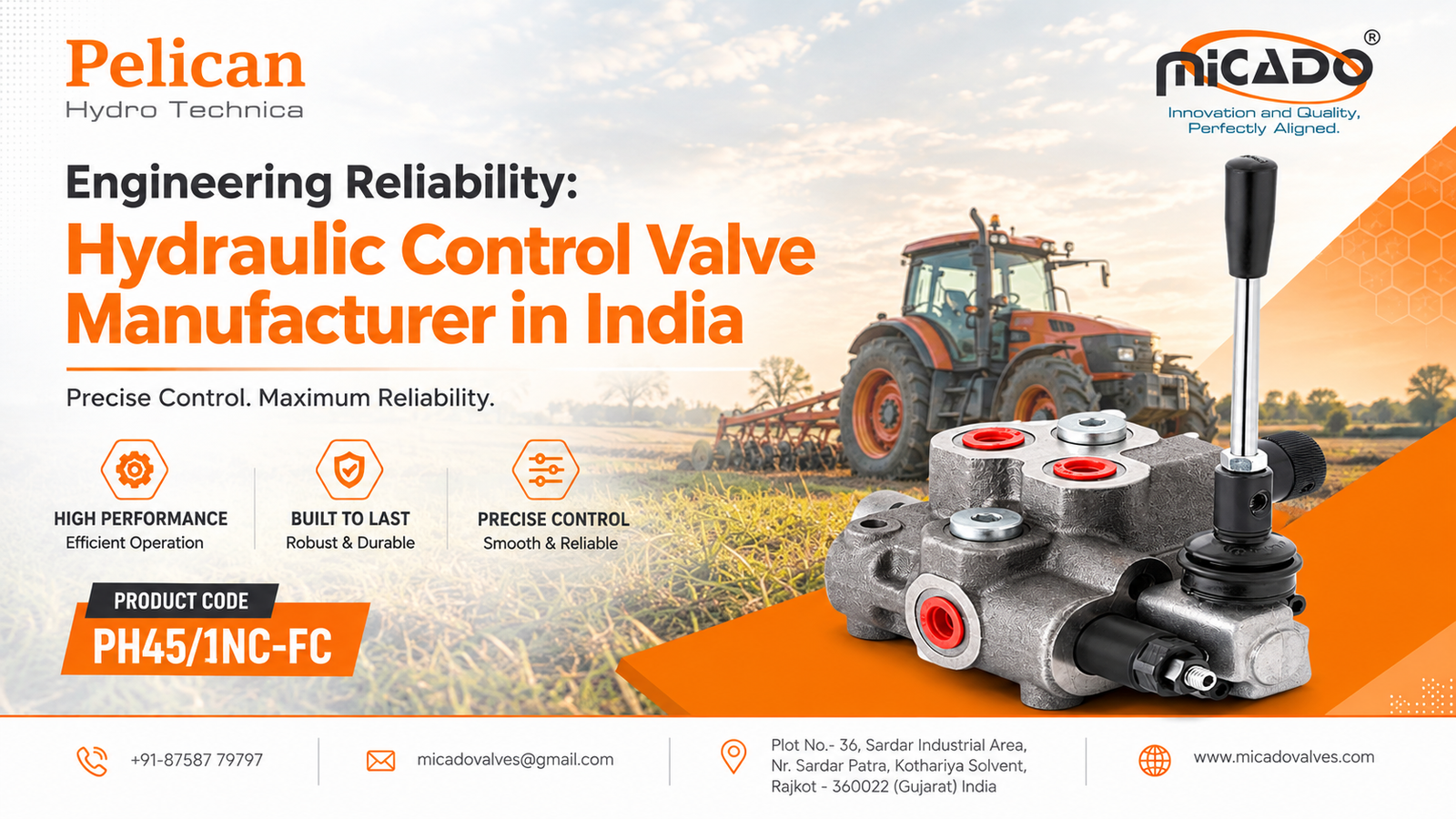
Micado Valves positions itself as a Hydraulic Control Valve Manufacturer built around precision engineering. The focus stays on application-specific solutions, not generic, one-size-fits-all products. This matters for businesses sourcing hydraulic components. It applies to agricultural implements, industrial machinery, and custom OEM requirements alike. A manufacturer who understands both the engineering and the field conditions makes a measurable difference over time.
Valves aren’t treated as a commodity part here. Tested pressure tolerances, quality materials, and configuration flexibility all point to one goal. That goal is fewer downstream failures for the equipment makers and end users who depend on these components every day.
Final Thoughts
Choosing a Hydraulic Control Valve Manufacturer shouldn’t come down to price alone. The valve you select affects machine safety. It affects operational efficiency and long-term maintenance costs too. India’s manufacturing sector keeps maturing. Buyers now have a real opportunity to partner with manufacturers who combine competitive pricing with engineering discipline, rather than settling for one at the expense of the other.
For OEMs, dealers, and end users alike, the right valve partner isn’t just a supplier. It’s a long-term contributor to how reliably your machinery performs in the field.