Hydraulic systems need reliable flow control. Flow rate matters just as much as pressure. That’s where the 80 LPM Sectional Control Valve comes in. It’s built for machines needing higher flow capacity. This guide covers what it is, how it works, and where it’s used. It also explains why choosing the right manufacturer matters.
What Is an 80 LPM Sectional Control Valve?
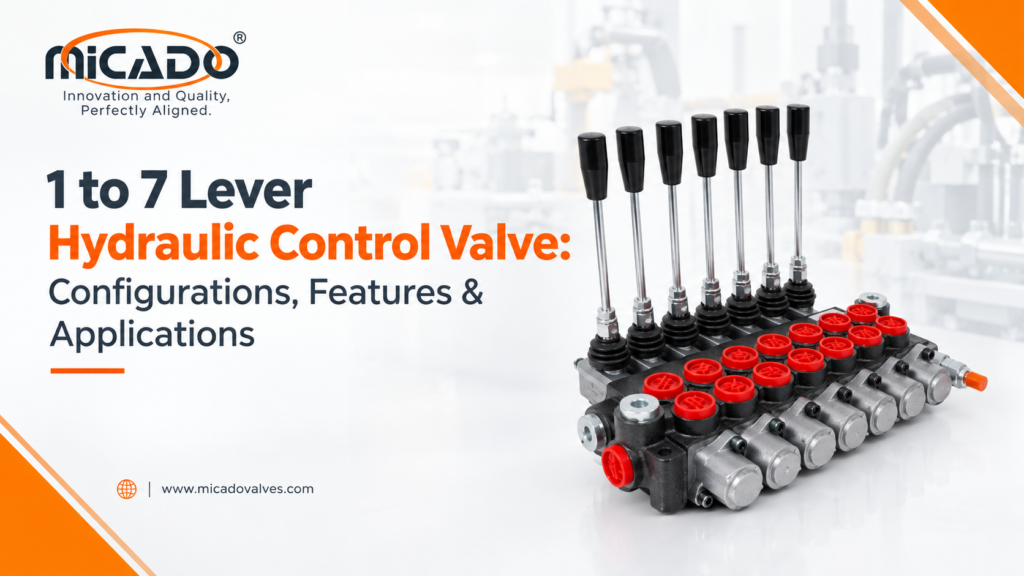
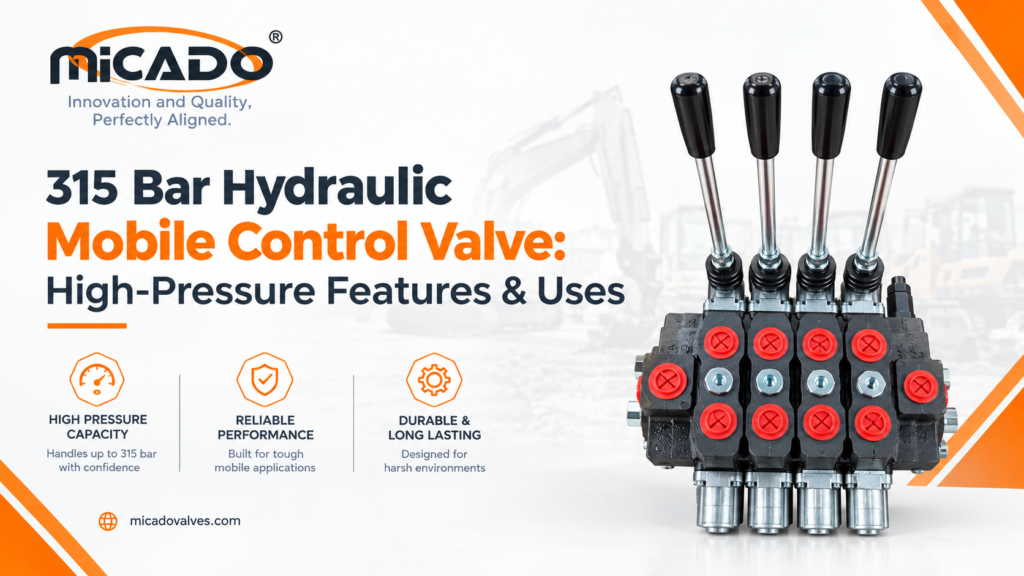
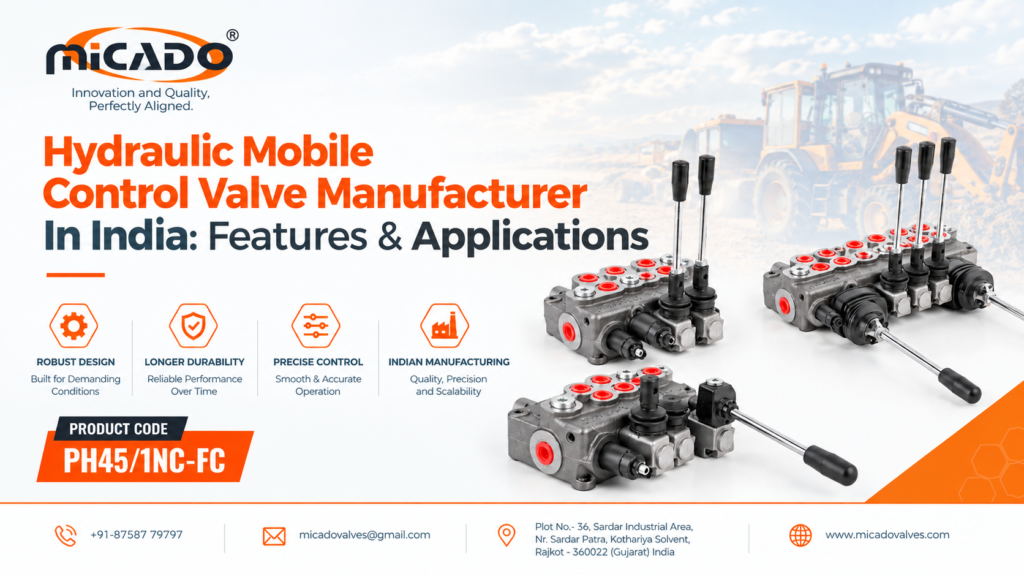
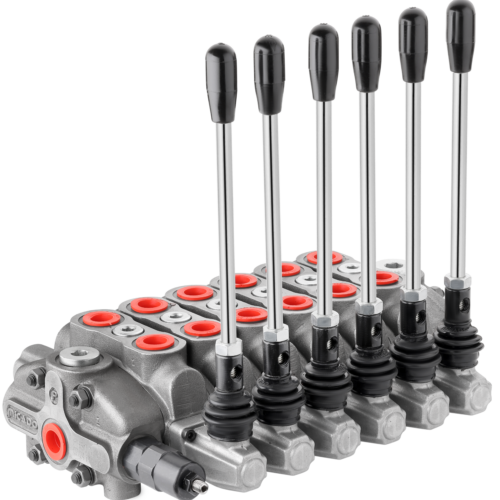
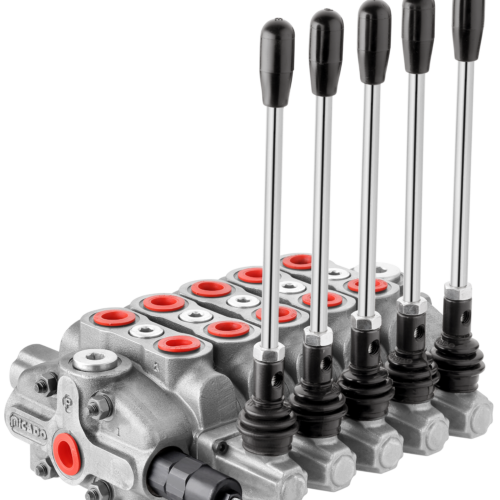
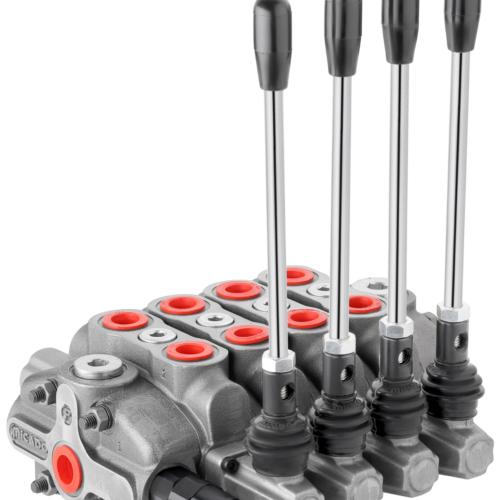
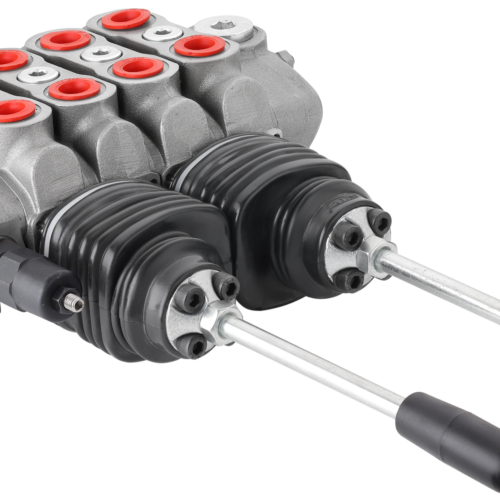
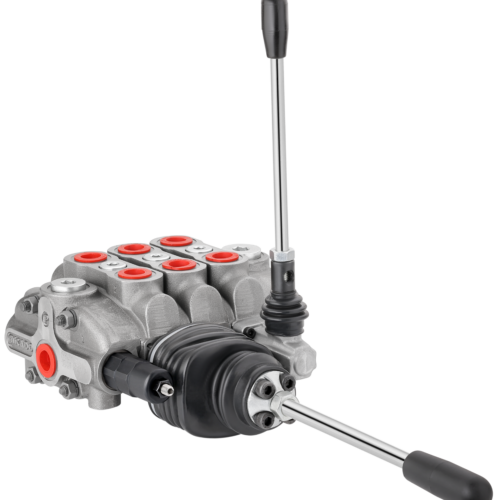
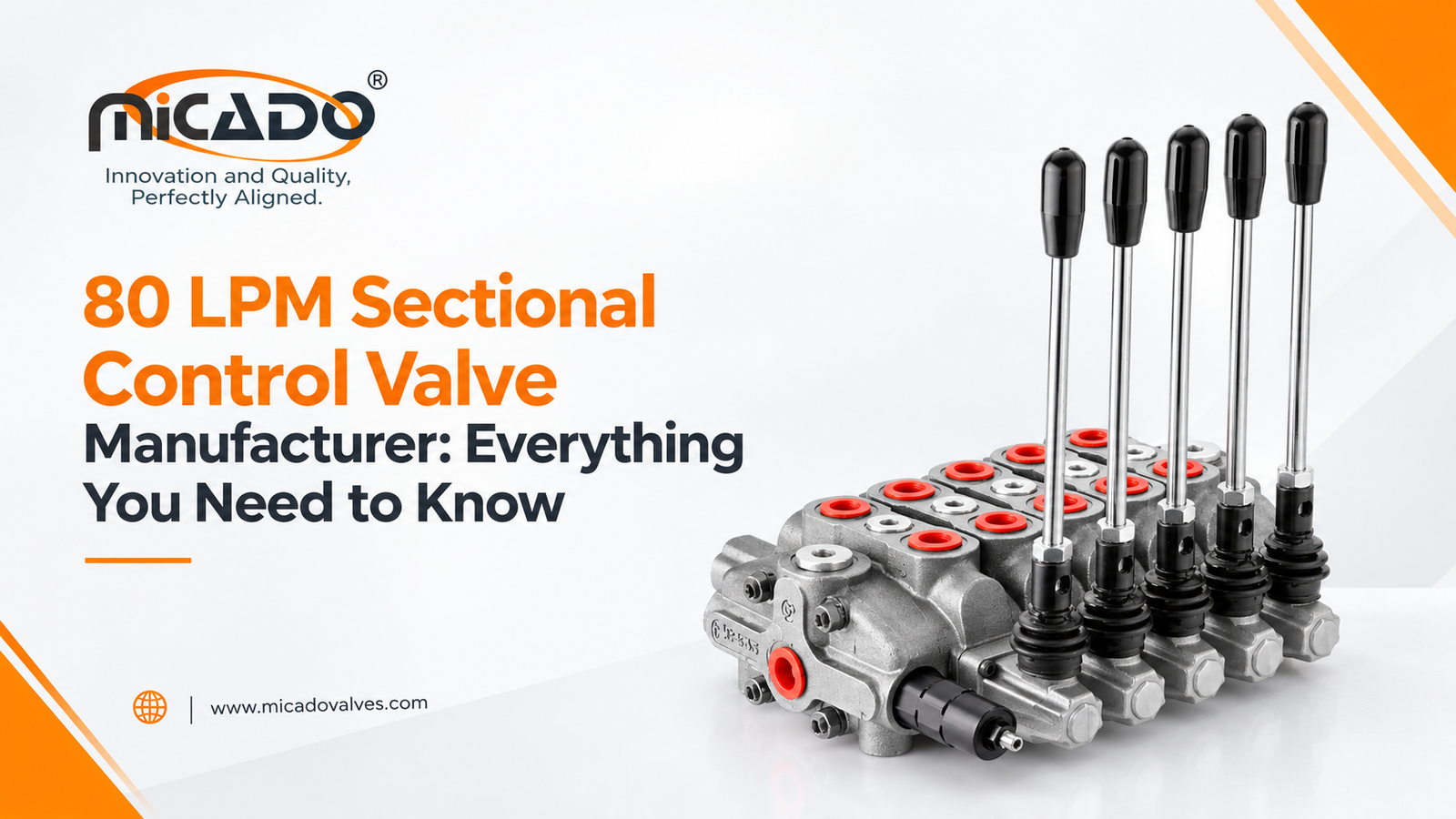
An 80 LPM Sectional Control Valve handles a flow rate of 80 liters per minute. This makes it suited for medium to heavy-duty hydraulic applications. Unlike monoblock valves, sectional valves are built from separate sections. Each section bolts together to form a complete valve bank. This design allows flexibility. Manufacturers can add or remove sections based on how many functions a machine needs.
The 80 LPM rating sits in a useful middle range. It’s higher than compact valves used in small equipment. It’s also more efficient than oversized valves meant for very large machinery. This makes it a popular choice across several industries.
How Sectional Valves Work
Each section in a sectional valve controls one hydraulic function. A spool inside each section shifts to direct fluid flow. This sends fluid to a specific actuator, like a cylinder or motor. Multiple sections stack together on a common inlet and outlet. This lets operators control several functions from one valve assembly.
The modular build offers a big advantage. If one section wears out, it can often be replaced individually. This avoids replacing the entire valve bank. It saves both time and money for equipment owners.
Key Features of an 80 LPM Sectional Control Valve
Not all sectional valves perform equally. Quality varies a lot between manufacturers. Here are the features that matter most:
- Flow capacity of 80 LPM. This supports mid-range hydraulic circuits without excessive pressure drop.
- High working pressure rating. Most quality valves handle 200–250 bar on the main ports.
- Modular section design. Sections bolt together, allowing 2 to 6 or more functions per valve bank.
- Wide temperature tolerance. Reliable valves run from sub-zero conditions up to 80°C.
- Standard BSP or SAE threading. This simplifies installation across different machine brands.
- Built-in relief and check valve options. These protect the system from pressure spikes and unwanted backflow.
- Precision-machined spools. Tight tolerances reduce internal leakage and improve control accuracy.
A manufacturer who lists these specs clearly is usually more trustworthy. Vague or missing technical data is a red flag.
Applications of the 80 LPM Sectional Control Valve
This valve’s flow rating makes it versatile. It fits a wide range of mobile and industrial equipment.
Agricultural Machinery
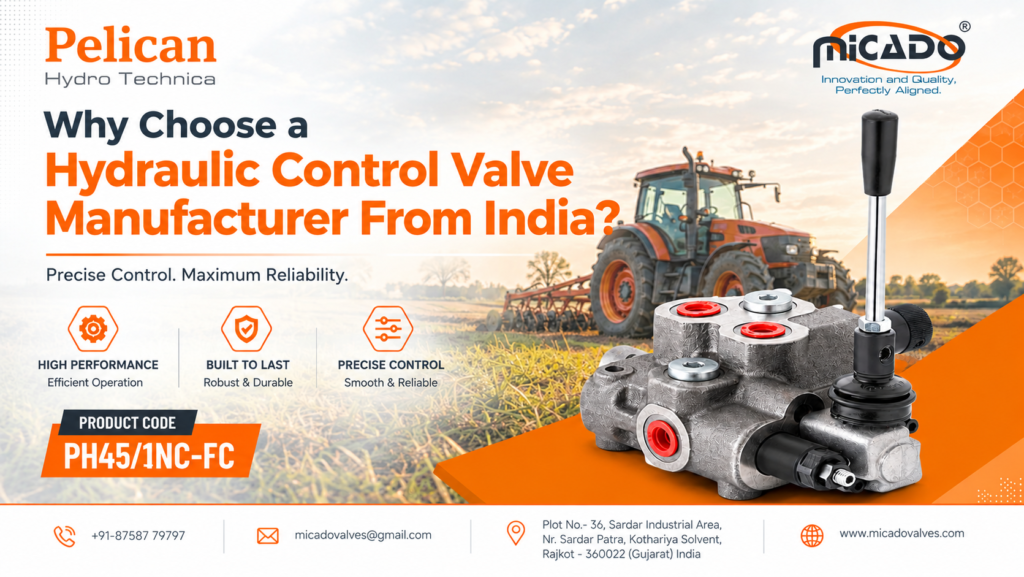
Tractors, loaders, and farm implements often need multiple hydraulic functions at once. An 80 LPM Sectional Control Valve can manage lift, tilt, and auxiliary attachments together. Its flow rate suits mid-sized farm equipment well.
Construction Equipment
Excavators, backhoes, and compactors use sectional valves for coordinated movement. Boom, arm, and bucket functions often run simultaneously. The 80 LPM rating supports this without overloading the hydraulic pump.
Material Handling Equipment
Forklifts and small cranes benefit from this flow rate too. It allows smooth, controlled lifting and positioning. Operators get precise handling without excessive fluid consumption.
Truck-Mounted Cranes and Tippers
Cranes need multiple functions like boom extension, rotation, and lifting. A sectional valve at 80 LPM balances speed and control well. Tippers also use sectional valves to manage bed raising and lowering safely.
Specialized Mobile Equipment
Custom-built machines sometimes need mid-range flow valves too. Waste management vehicles and specialized farm attachments are common examples. The modular nature of sectional valves makes customization easy here.
Why Manufacturer Choice Matters
Buying an 80 LPM Sectional Control Valve isn’t just about the flow rating. The manufacturer behind it matters just as much. Poor casting or weak seals cause leaks. Bad machining leads to spool sticking. These issues shorten the valve’s service life significantly.
What to Look for in a Manufacturer
A dependable manufacturer should offer:
- Clear technical datasheets. Flow rate, pressure rating, and port sizes should be documented.
- In-house manufacturing. This ensures better quality control than simply assembling imported parts.
- Customization options. The ability to add or modify sections based on your machine’s needs.
- Proven industry experience. Years of manufacturing history often reflect reliability.
- After-sales support. Genuine manufacturers can help with spare parts and troubleshooting.
India as a Sourcing Hub
India has become a strong hub for mobile hydraulic valve manufacturing. Industrial regions like Rajkot, Gujarat, host several experienced manufacturers. These companies combine competitive pricing with solid engineering standards. Many have over a decade of manufacturing experience. This makes them a reliable choice for both domestic and export buyers.
Indian manufacturers often provide:
- Cost-effective pricing without sacrificing pressure ratings.
- Custom valve configurations built to match specific hydraulic circuits.
- Established supply chains for raw materials like cast iron and alloy steel.
- Export readiness, with experience meeting international documentation standards.
Maintenance Tips for Longer Valve Life
Proper maintenance extends the life of any sectional valve. Follow these simple practices:
- Use clean hydraulic fluid. Contaminated oil causes premature wear on spools and seals.
- Check for leaks regularly. Small leaks often signal seal wear before bigger problems develop.
- Monitor operating temperature. Excessive heat degrades seals and reduces valve efficiency.
- Inspect mounting bolts. Loose sections can cause misalignment and internal leakage.
- Replace worn seals promptly. Delaying seal replacement often leads to costlier repairs later.
Routine care keeps an 80 LPM Sectional Control Valve performing reliably for years.
Conclusion
The 80 LPM Sectional Control Valve offers a strong balance of flow capacity and control precision. It suits a wide range of applications. Agriculture, construction, material handling, and cranes all benefit from its modular design. However, valve quality depends heavily on the manufacturer. Choosing an experienced, transparent manufacturer ensures better performance and longer service life. Whether you’re upgrading existing equipment or designing a new hydraulic system, this valve type deserves serious consideration.