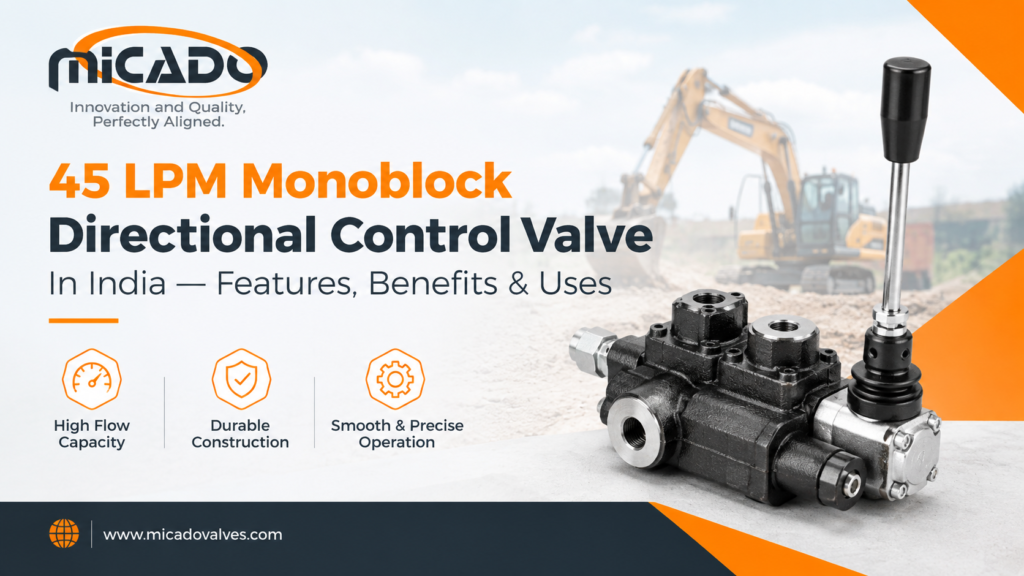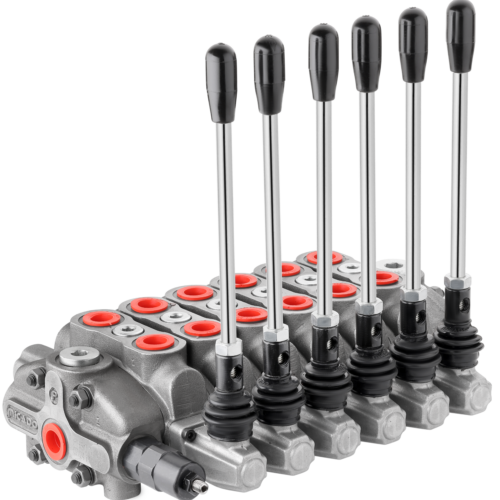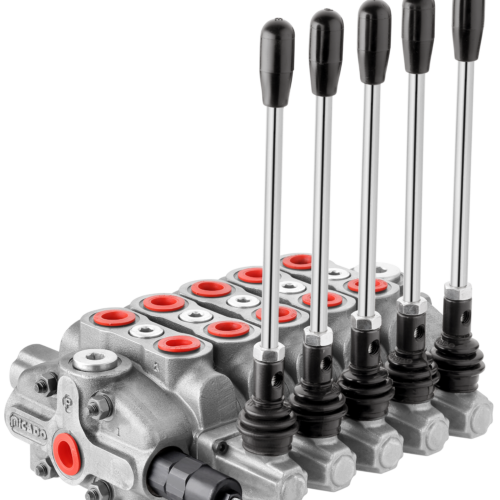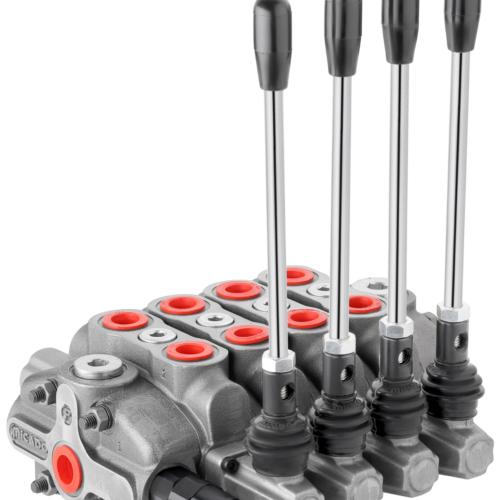
Mobile machines rarely need just one hydraulic function. Most need several working together. This is where a 1 to 7 Lever Hydraulic Control Valve comes in. It gives operators precise control over multiple hydraulic circuits at once. From tractors to cranes, this valve type powers countless machines across India. This guide covers configurations, key features, and real-world applications.
What Is a 1 to 7 Lever Hydraulic Control Valve?
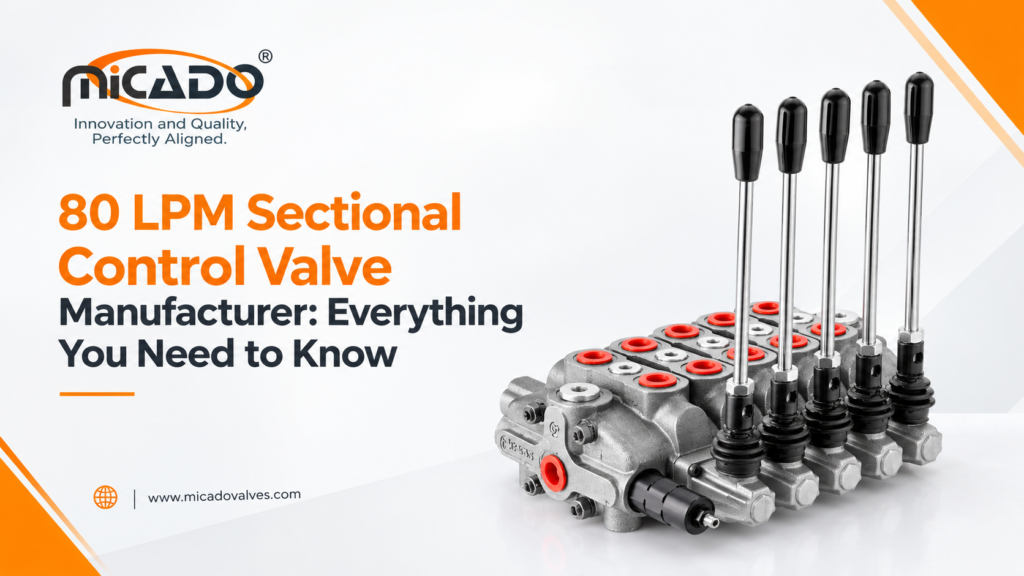
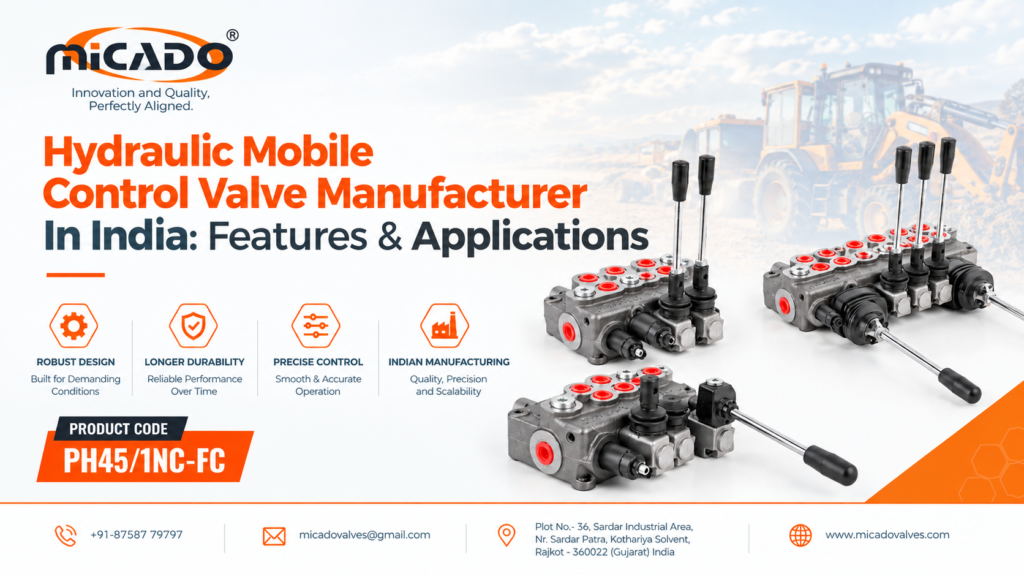
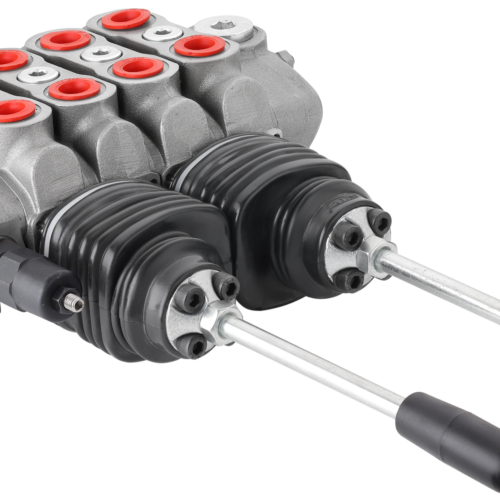
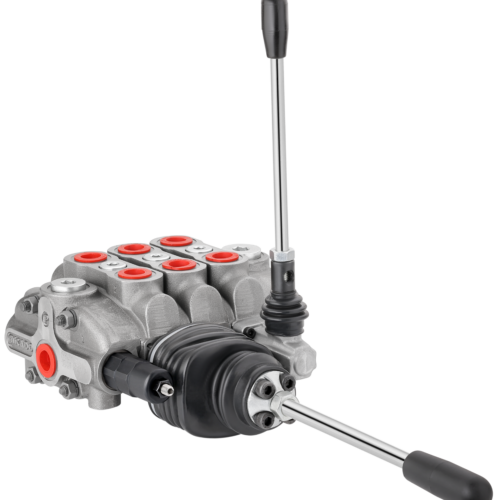
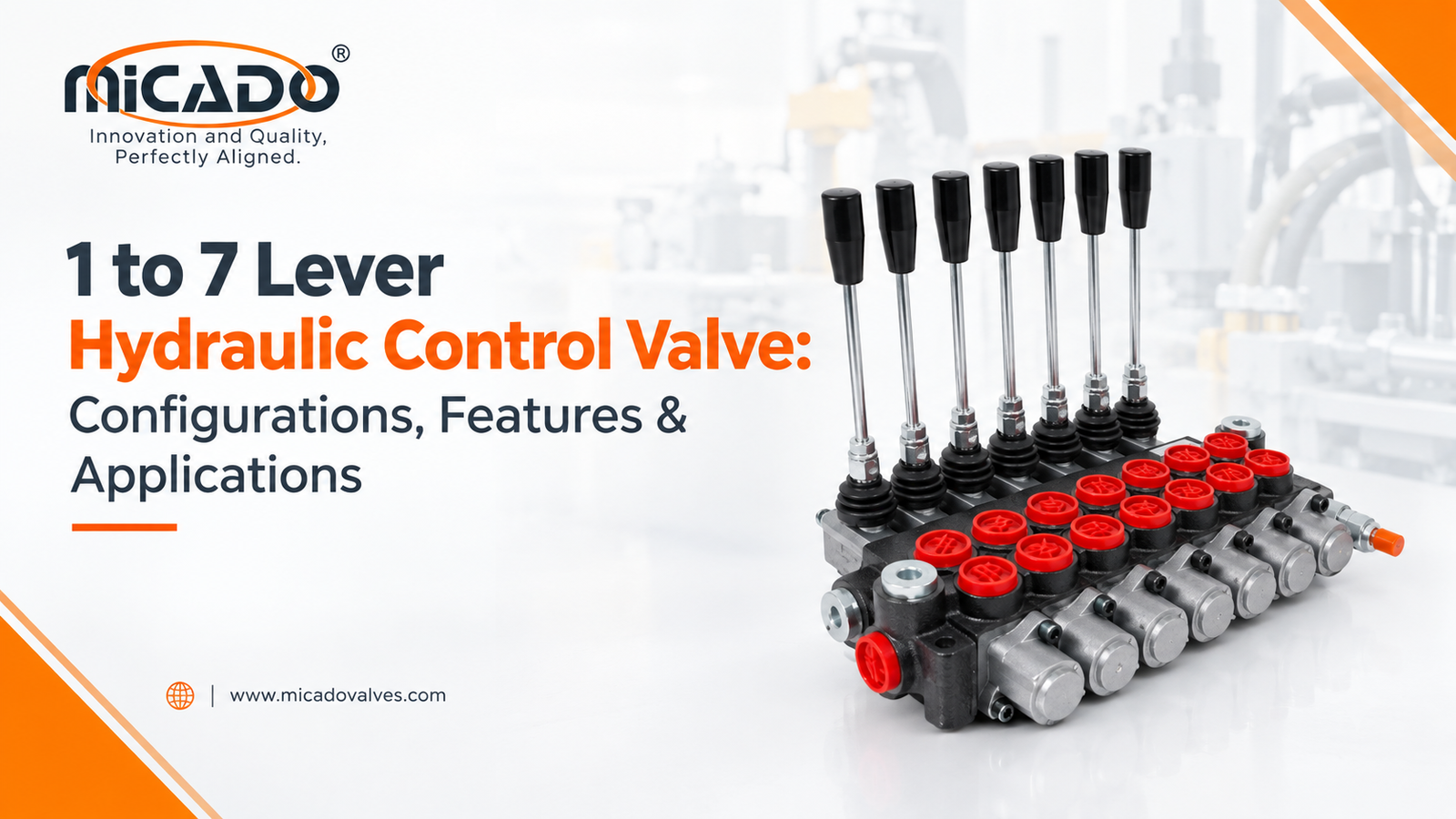
A 1 to 7 Lever Hydraulic Control Valve is a sectional or monoblock directional valve. It comes with one to seven individual levers. Each lever controls a separate hydraulic function. One lever might manage a lift cylinder. Another might control a tilt or auxiliary circuit. This modular setup lets manufacturers and end users choose exactly how many functions a machine needs.
Fewer levers work well for simple machines. A single-lever valve might run one cylinder on a small attachment. More complex machines need more levers. A 7-lever valve can run an entire hydraulic system on a large excavator or truck crane. The flexibility is the real advantage here.
Sectional vs. Monoblock Configurations
Both configurations offer multi-lever setups, but they work differently.
- Sectional valves are built from individual sections bolted together. Each section can have its own lever. Users can add or remove sections later. This makes sectional valves ideal when function needs might change over time.
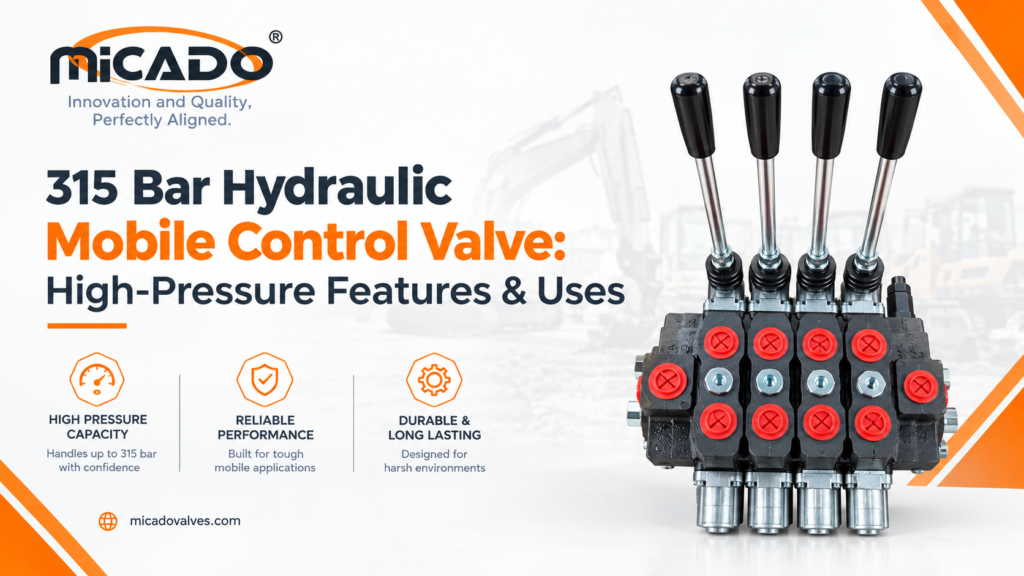
- Monoblock valves are cast as one solid body. Multiple levers are built into that single casting. This design is more compact and often more cost-effective. However, it offers less flexibility once manufactured.
Choosing between the two depends on the application. Fixed-function machines often use monoblock. Machines needing future customization tend to use sectional.
Key Features of a Quality 1 to 7 Lever Hydraulic Control Valve
Not every valve on the market performs equally. A well-built 1 to 7 Lever Hydraulic Control Valve should offer the following:
- High working pressure capacity. Most reliable valves handle 200 to 315 bar on the P, A, and B ports. This ensures they can power heavy-duty cylinders without failure.
- Smooth, precise lever action. Operators need fine control, especially during delicate lifting or positioning tasks. Sticky or inconsistent levers reduce safety and efficiency.
- Individual pressure relief per section. Each lever section should have its own overload protection. This prevents damage if one circuit sees a pressure spike.
- Wide temperature tolerance. Quality valves function reliably from sub-zero conditions up to 80°C. NBR seals are standard for mineral-based hydraulic oil.
- Standardized porting. BSP or SAE thread options make installation simpler. They also support easy replacement across different machine brands.
- Float, detent, and spring-return options. Different levers can be configured with different spool centering functions. This adds flexibility for specific machine functions like float positioning on a loader bucket.
A manufacturer who documents these specs clearly is worth trusting. Vague or missing technical data is a red flag.
Applications of 1 to 7 Lever Hydraulic Control Valves
The multi-lever design makes this valve type useful across many industries. Here’s where it shows up most often.
Agricultural Machinery
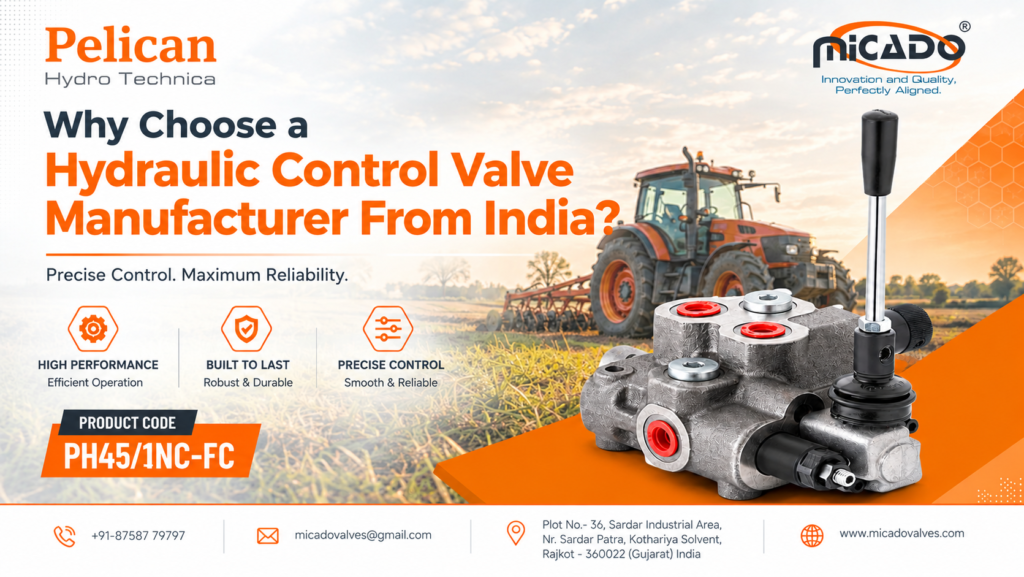
Tractors and farm implements often use 2 to 4 lever valves. These control loader lift, tilt, and auxiliary hydraulic attachments. A 1 to 7 Lever Hydraulic Control Valve setup lets farmers run multiple implements from one tractor. This adds real versatility in the field.
Construction and Earthmoving Equipment
Excavators, backhoes, and loaders need more complex control. These machines often use 5 to 7 lever configurations. Each lever manages a different function. Boom, arm, bucket, and swing all need separate control. Precise, simultaneous operation is critical for safe, efficient digging and lifting.
Cranes and Material Handling
Truck-mounted cranes rely heavily on multi-lever valves. Boom extension, rotation, and load lifting all need independent control. A 6 or 7 lever setup lets crane operators coordinate several movements smoothly. This is essential for controlled, safe load handling.
Forklifts and Tippers
Forklifts typically use fewer levers, often 2 to 3. These manage lift, tilt, and side-shift functions. Tippers may only need a single lever to raise and lower the truck bed. Even simple machines benefit from the same underlying valve technology, just scaled down.
Specialized and Custom Machinery
Some equipment needs a fully custom lever count. Waste management vehicles, specialized farm implements, and custom-built machinery often require unique configurations. A flexible 1 to 7 Lever Hydraulic Control Valve design accommodates these needs without a complete redesign.
Why Choose an Experienced Indian Manufacturer
India has become a strong hub for hydraulic valve manufacturing. Many companies, especially those based in Gujarat, have decades of experience. They supply agricultural OEMs, construction equipment builders, and export markets worldwide.
Benefits of Sourcing from India
- Cost-effective manufacturing without compromising pressure ratings or build quality.
- Custom lever configurations built to match specific machine circuits.
- Reliable supply chains for materials like cast iron and alloy steel.
- Export experience with established documentation and shipping processes.
- Direct technical support from manufacturers who understand their own valve designs inside and out.
A genuine manufacturer, rather than a trading company, can offer real troubleshooting help. They can also supply spare parts and repair guidance quickly.
How to Choose the Right Lever Configuration
Selecting the correct valve isn’t just about lever count. Consider these factors first:
- Number of hydraulic functions your machine actually needs.
- Flow rate requirements for each circuit, measured in LPM.
- Working pressure needed for your heaviest load application.
- Future flexibility — will you need to add functions later?
- Spool centering type — open center, closed center, or float positions.
Working with a manufacturer who understands these variables ensures you get a valve that fits your machine, not just a generic off-the-shelf part.
Conclusion
A 1 to 7 Lever Hydraulic Control Valve offers the flexibility that modern mobile machinery demands. Whether you need a single lever for a simple tipper or seven levers for a complex excavator, the right configuration makes all the difference. Partner with an experienced manufacturer who offers proven pressure ratings, quality lever action, and genuine engineering support. This ensures your hydraulic system performs reliably, no matter how many functions it needs to control.