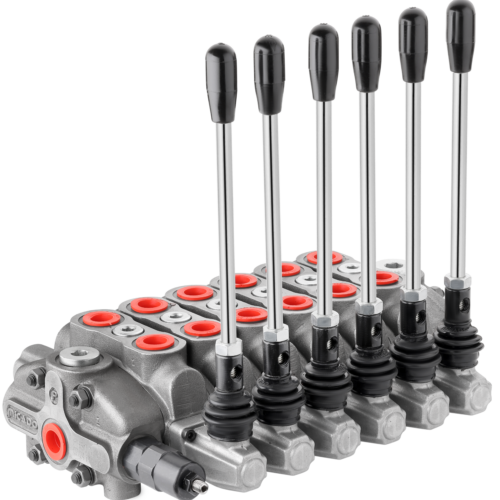
High-pressure hydraulics demand valves that don’t compromise. That’s where the 315 Bar Hydraulic Mobile Control Valve comes in. It’s built for machines that push harder and work longer. This valve handles extreme loads without failing. It suits heavy-duty mobile equipment across construction, mining, and agriculture. This guide covers its key features. It also explains where and why it’s used.
What Is a 315 Bar Hydraulic Mobile Control Valve?
A 315 bar rating means the valve withstands very high working pressure. Standard mobile valves often max out at 200–250 bar. The 315 Bar Hydraulic Mobile Control Valve goes well beyond that. This higher rating suits machines with heavier loads. It also suits applications needing faster cylinder response.
These valves direct hydraulic fluid to cylinders and motors. They control speed, direction, and force. At 315 bar, internal components face much greater stress. That’s why manufacturing precision matters more here than ever.
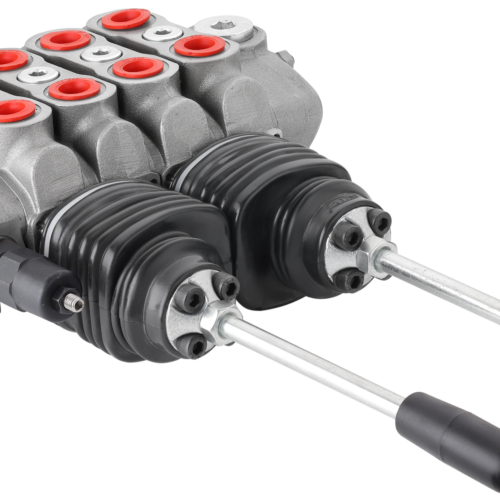
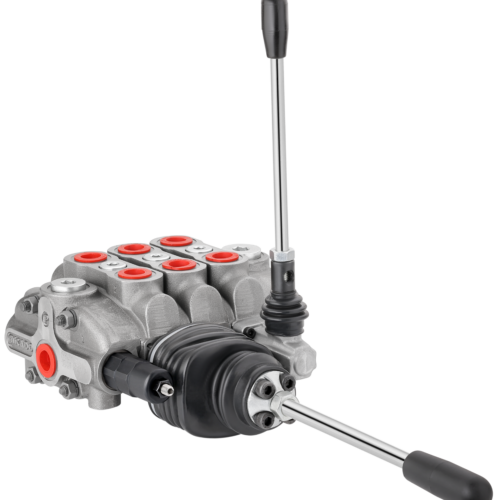
Two configurations are common at this pressure level:
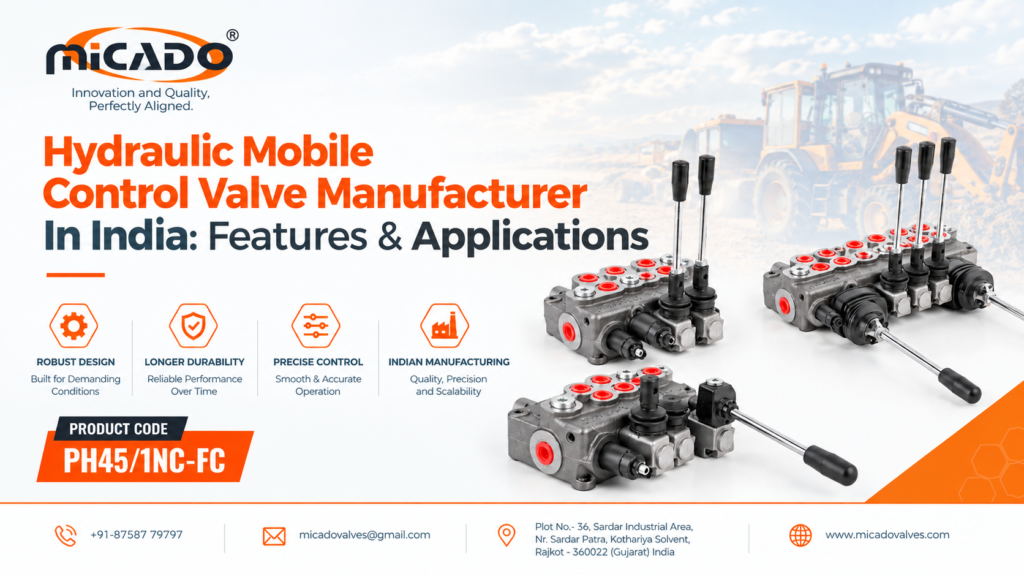
- Monoblock design — compact, single-cast body. Good for machines with fixed function counts.
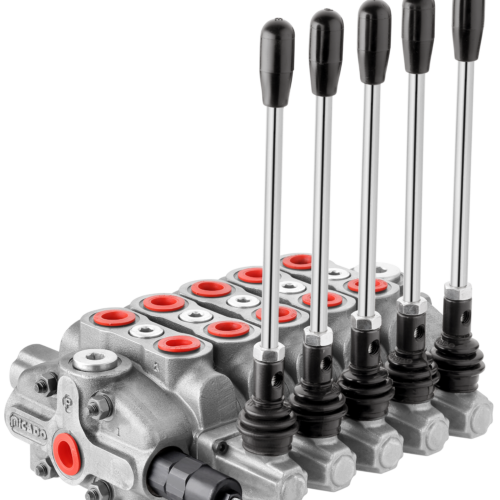
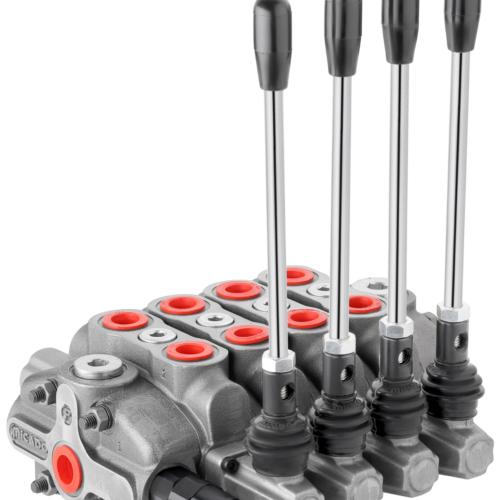
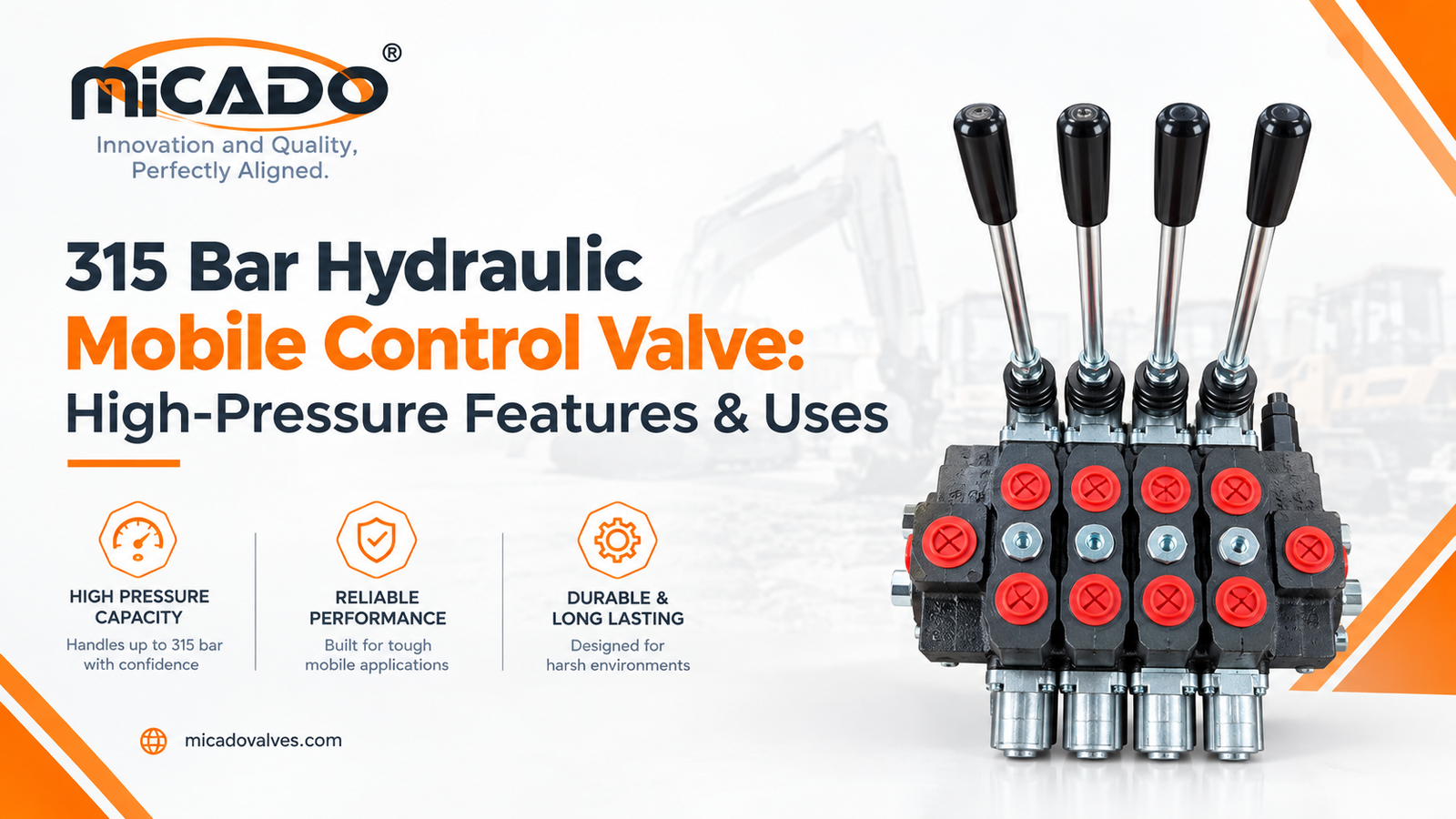
- Sectional design — modular sections bolted together. This allows custom function combinations for complex machines.
Key Features of a High-Pressure Valve
Not every valve can safely handle 315 bar. A well-engineered 315 Bar Hydraulic Mobile Control Valve includes several critical features.
Reinforced Body and Spool Design
High pressure creates high stress on internal walls. Valve bodies at this rating use thicker castings. Spools are precision-ground for a tighter fit. This reduces internal leakage significantly. It also prevents premature wear under repeated load cycles.
Advanced Sealing Systems
Standard seals often fail at extreme pressures. High-pressure valves use upgraded seal materials. NBR or Viton seals are common choices. These handle both pressure and temperature extremes. Good seals prevent fluid loss and maintain consistent performance.
Integrated Pressure Relief
Overload protection becomes essential at 315 bar. Built-in relief valves release excess pressure safely. This protects downstream components from damage. It also protects the operator from sudden equipment failure.
Wide Temperature Tolerance
Heavy machinery often works in extreme climates. A dependable 315 Bar Hydraulic Mobile Control Valve performs from -20°C to 80°C. This range covers most industrial and outdoor environments. Consistent performance matters whether it’s a cold morning or a hot afternoon.
Precision Port Threading
Standard BSP or SAE threads ensure easy installation. They also simplify replacement across machine brands. Precise threading prevents leaks at connection points. This matters even more at higher pressure ratings.
Applications of High-Pressure Mobile Valves
High-pressure valves aren’t needed everywhere. They’re built for specific, demanding use cases. Here’s where a 315 bar rating makes a real difference.
Heavy Construction Equipment
Large excavators and loaders need serious hydraulic force. Boom, arm, and bucket functions require high pressure for speed and strength. A 315 Bar Hydraulic Mobile Control Valve handles these demands well. It keeps machines responsive even under maximum load.
Mining Machinery
Mining equipment works in brutal conditions. Loads are heavy. Duty cycles are long. Downtime is expensive. High-pressure valves reduce failure risk. They also improve overall machine efficiency in these punishing environments.
Truck-Mounted Cranes
Cranes need precise, powerful control. Boom extension, rotation, and lifting all require consistent pressure. Higher-rated valves allow cranes to lift heavier loads safely. They also maintain smooth, controlled movement during operation.
Agricultural Machinery
Modern farming equipment has grown more powerful. Large tractors and specialized implements now need higher pressure ratings. A high-pressure valve supports heavier attachments. It also improves lift and tilt performance on demanding terrain.
Forestry and Specialized Vehicles
Forestry equipment often faces extreme mechanical stress. Grapples, feller bunchers, and loader arms all need reliable high-pressure control. These machines benefit directly from valves rated for 315 bar service.
Why Choose a Trusted Manufacturer
Not all suppliers can produce valves that safely handle 315 bar. Choosing the right 315 Bar Hydraulic Mobile Control Valve manufacturer matters more at this pressure level. Poor manufacturing leads to leaks, cracks, or sudden failure. These risks increase significantly under high-pressure conditions.
What to Look For
Look for these signs of a genuine, capable manufacturer:
- In-house casting and machining. This ensures full control over material quality and tolerances.
- Documented pressure testing. Every valve should be tested before it leaves the factory.
- Clear technical datasheets. Specifications should be transparent, not vague.
- Custom configuration options. OEMs often need tailored spool combinations.
- Proven industry experience. Look for manufacturers with a strong track record in mobile hydraulics.
Indian Manufacturing Advantage
India has become a strong hub for hydraulic valve manufacturing. Rajkot, Gujarat is a notable center for this industry. Manufacturers here combine engineering skill with competitive pricing. Many also have export experience. This means they understand international quality expectations. Buyers get reliable products without inflated costs.
Maintenance Tips for High-Pressure Valves
Even the best valve needs proper care. Follow these tips to extend service life:
- Use clean, filtered hydraulic fluid at all times.
- Check seals regularly for early signs of wear.
- Monitor pressure gauges during operation.
- Avoid exceeding rated pressure limits, even briefly.
- Schedule periodic inspections with your supplier.
These simple steps help prevent unexpected failures. They also protect your investment over the long term.
Conclusion
Heavy-duty machinery needs valves built for real pressure. A 315 Bar Hydraulic Mobile Control Valve delivers exactly that. It offers reinforced construction, advanced sealing, and reliable performance under extreme load. Whether you’re running construction equipment, mining machinery, or high-capacity cranes, this valve type ensures consistent, safe operation. Choosing an experienced manufacturer is the key step. It’s what separates a valve that lasts from one that fails when you need it most.