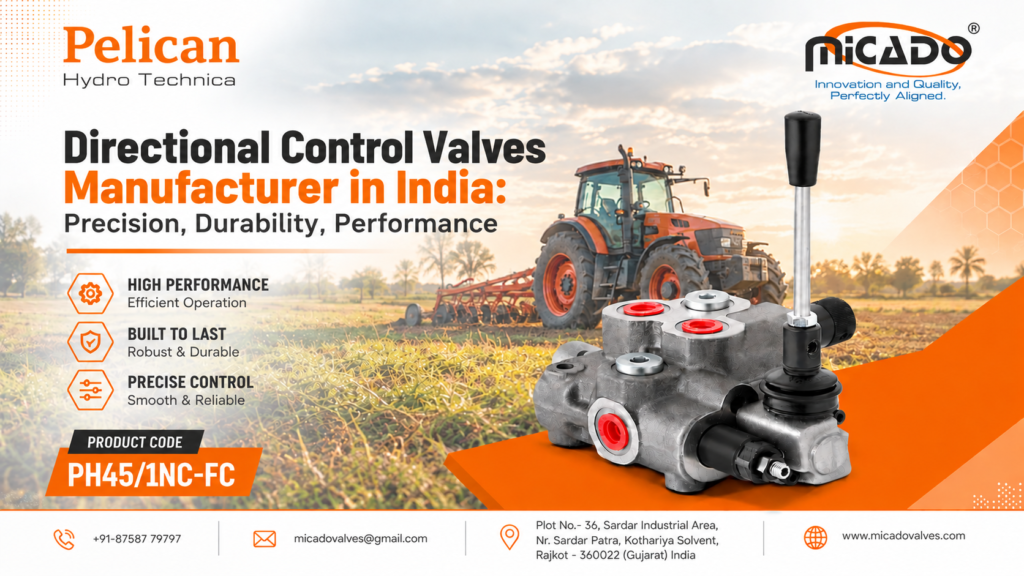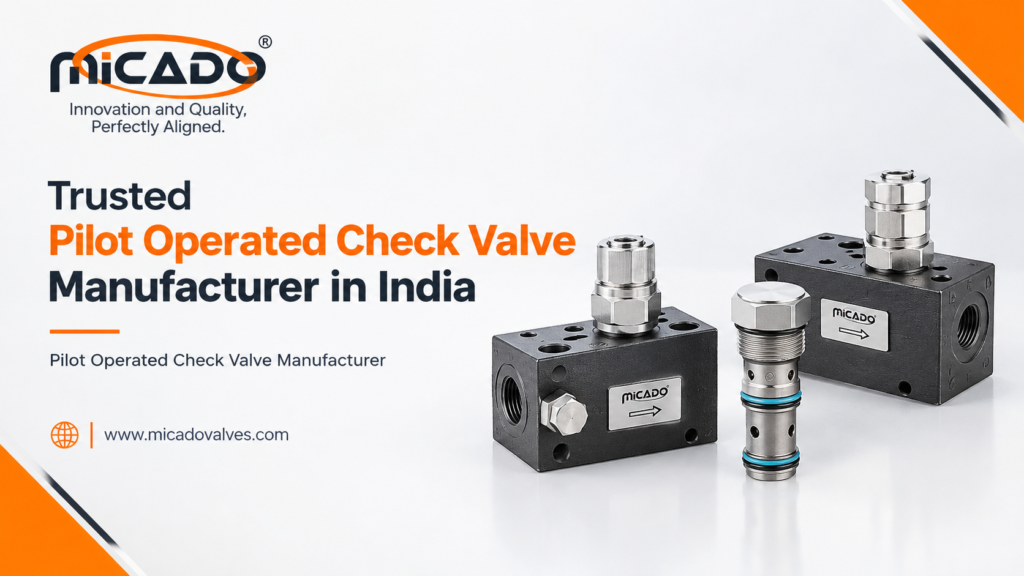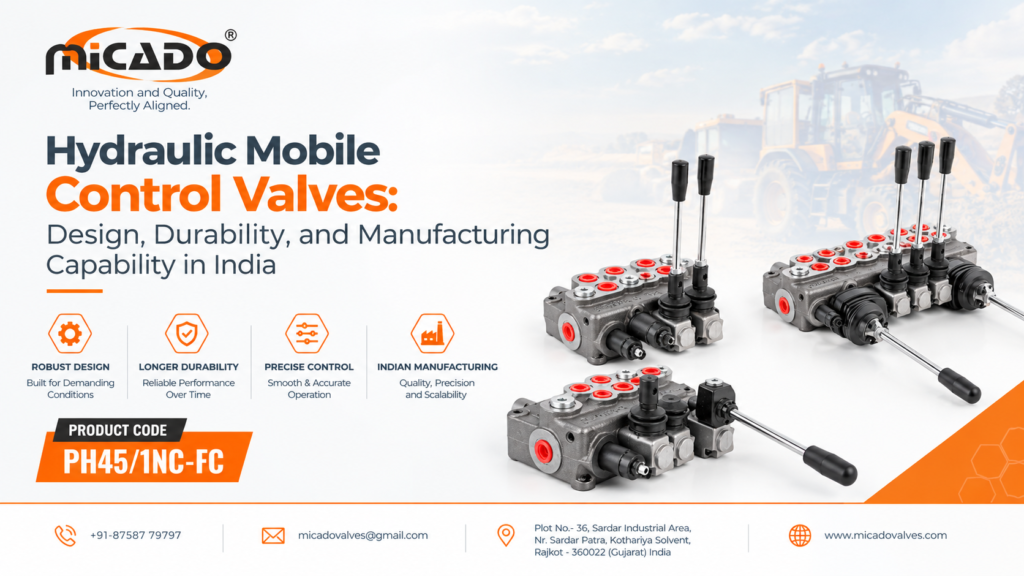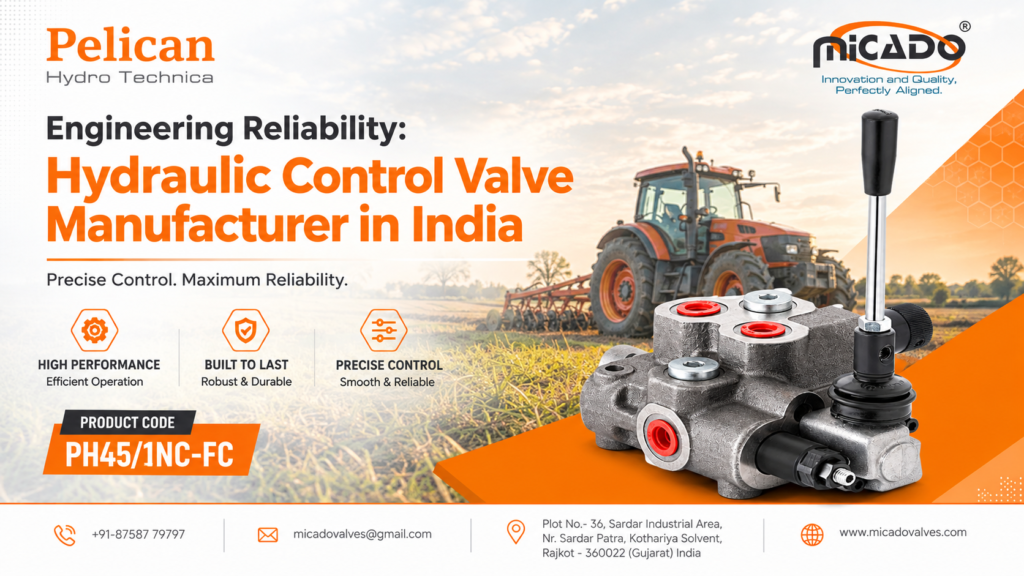
Hydraulic systems in agriculture, construction, and material handling equipment depend on one component more than most operators realize: the directional control valve. Among the many configurations available, the 45 LPM Monoblock Directional Control Valve has become a preferred choice for Indian manufacturers building compact, cost-effective machines that still need reliable multi-function hydraulic control. (bold #1)
If you’re sourcing hydraulic valves for tractors, cranes, loaders, or municipal equipment, understanding what a 45 LPM monoblock valve does — and why flow rate matters — will help you specify the right component for your machine.
What Is a 45 LPM Monoblock Directional Control Valve?
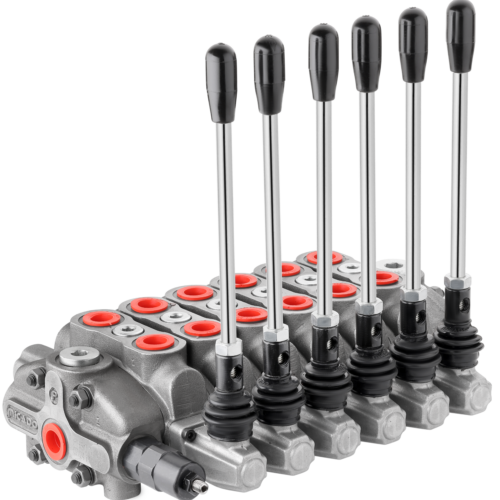
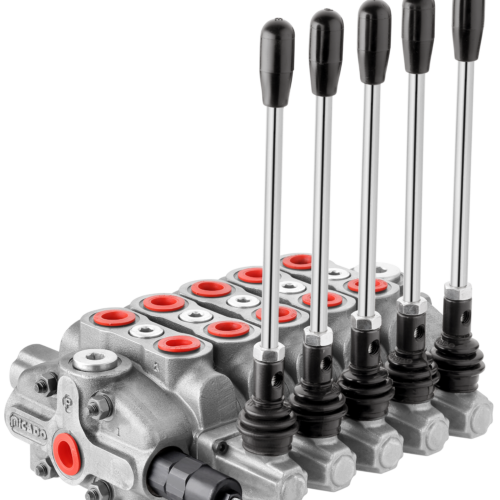
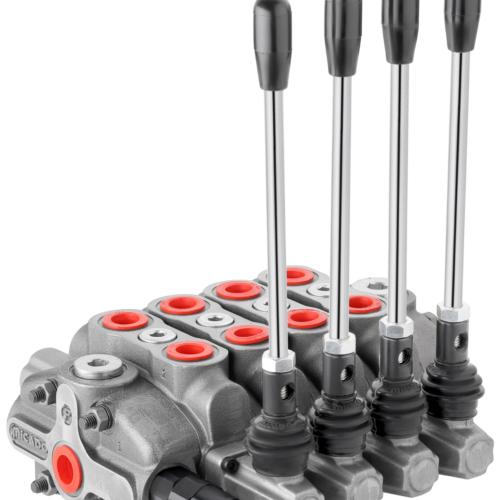
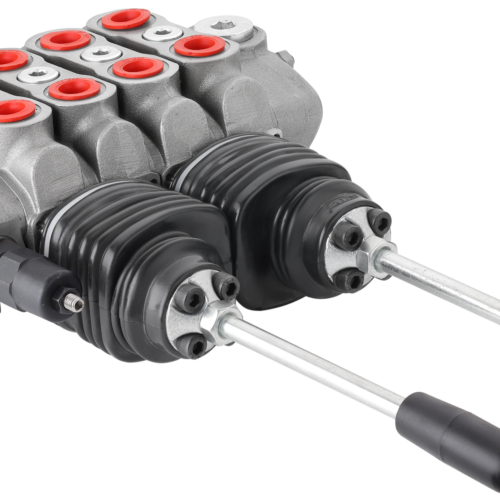
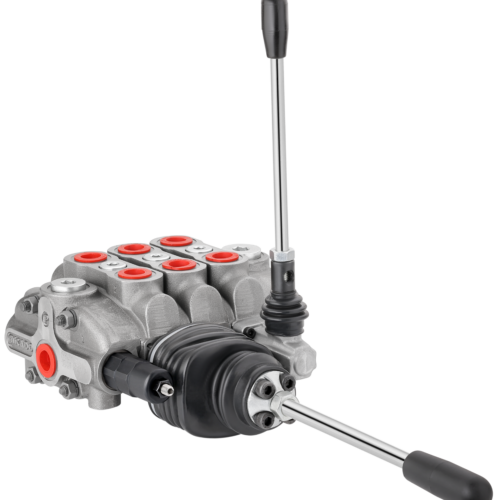
A monoblock directional control valve is a single, cast-iron or machined-steel body containing multiple spool sections, all manufactured as one integrated unit rather than bolted together from separate segments. This “mono” (single) block construction is what distinguishes it from sectional valves, which are built by stacking individual sections on a common tie-rod.
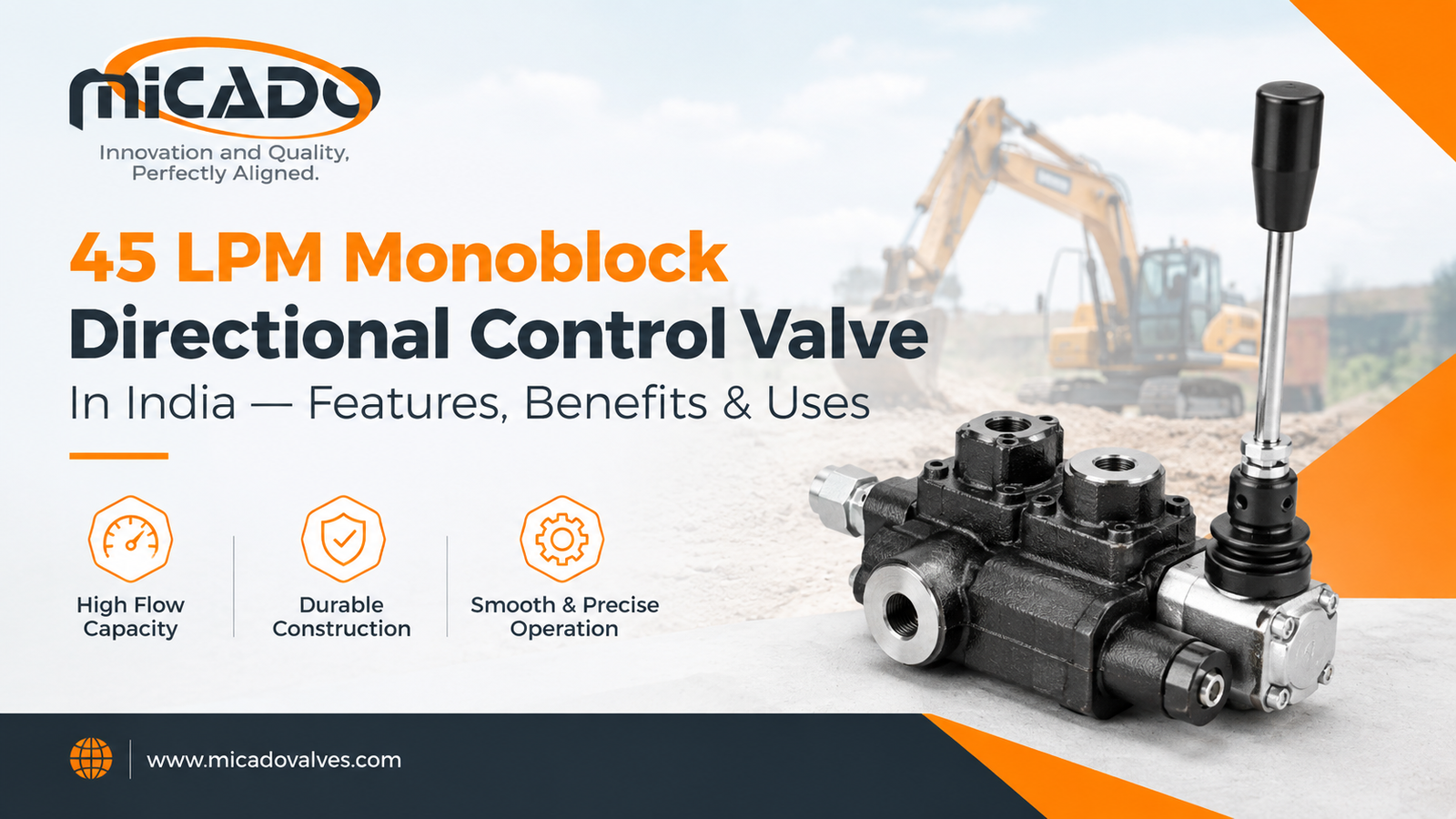
The “45 LPM” designation refers to the valve’s rated flow capacity — 45 litres per minute. This flow rating sits in a sweet spot for small-to-mid-sized hydraulic circuits: powerful enough to drive multiple actuators simultaneously, yet compact enough to fit machines where space, weight, and budget are constrained. Buyers researching a 45 LPM Monoblock Directional Control Valve will find it’s commonly specified in tractor-mounted loaders, compact excavators, forklifts, and agricultural implements across the Indian market. (bold #2)
Key Features
1. Compact, Single-Piece Body — no external tie-rods or inter-section seals to maintain, reducing the valve’s overall footprint.
2. Multiple Spool Configurations — typically available in 2, 3, 4, or more spool sections, each controlling a separate hydraulic function.
3. Flow and Pressure Ratings Built for Mobile Equipment — generally rated for working pressures in the 200–250 bar range.
4. Multiple Control Options — manual lever, cable, hydraulic pilot, and electro-proportional control.
5. Circuit Configuration Choices — parallel, series, tandem, and load-sensing arrangements.
6. Reduced Leak Points — fewer joints between sections mean fewer potential leak paths in dusty or high-vibration field conditions.
Why Indian OEMs Choose This Valve
For manufacturers building compact machinery, the monoblock format solves several practical problems at once. It lowers parts count and assembly time compared to sectional valve stacks, improves structural rigidity for off-highway vibration and shock loads, and — because a 45 LPM Monoblock Directional Control Valve matches the flow range needed by most compact hydraulic pumps used in Indian-built equipment — avoids the cost and bulk of an oversized valve while leaving margin for multi-function operation. (bold #3)
Cost matters too in a price-sensitive market. Monoblock valves are generally more economical to manufacture and stock than modular sectional systems, since there’s no need to inventory individual sections, end covers, and tie-rod kits separately.
Benefits at a Glance
- Space efficiency — fits tight chassis and cab-mounting constraints
- Weight savings — lighter than an equivalent sectional assembly
- Simplified maintenance — fewer seals and joints, lower leak risk over service life
- Cost-effectiveness — lower manufacturing and inventory costs
- Reliable multi-function control — lift, tilt, and auxiliary functions from one valve body
- Adaptability — same base valve serves multiple machine platforms
Common Uses and Applications
A 45 LPM monoblock directional control valve is used wherever compact machines need dependable multi-circuit hydraulic control without the complexity of a modular valve stack: (bold #4)
- Agricultural machinery — tractor-mounted loaders, post-hole diggers, rotary tillers, trailer tipping mechanisms
- Construction equipment — mini excavators, compact wheel loaders, skid-steer attachments
- Material handling — forklifts, pallet trucks, small mobile cranes
- Municipal and utility vehicles — sweepers, snow-clearing attachments, refuse-handling equipment
- Forestry and landscaping machines — log splitters, chippers, mowing attachments
Choosing the Right Supplier
Not all monoblock valves are built to the same standard. Look closely at material quality, spool machining tolerances, seal quality, and configuration flexibility. A supplier experienced in hydraulic mobile control valves for the Indian market will also understand local operating conditions — dust, heat, and variable fuel and maintenance quality — all of which affect long-term valve reliability.
As a manufacturer of hydraulic mobile control valves in India, Micado designs its 45 LPM Monoblock Directional Control Valve range specifically around these field conditions, offering configurable spool counts and control options for tractors, construction equipment, and material handling machines built for the Indian and export markets. (bold #5)
Conclusion
The 45 LPM monoblock directional control valve remains one of the most practical hydraulic components for compact mobile machinery — combining space efficiency, cost-effectiveness, and dependable multi-function control in a single, rugged casting. For OEMs building agricultural, construction, or material handling equipment in India, specifying the right valve early in the design process pays off in simpler assembly, lower long-term maintenance, and more reliable field performance.
If you’re evaluating valve options for your next machine platform, reach out to discuss spool configurations, flow and pressure ratings, and control options suited to your application.