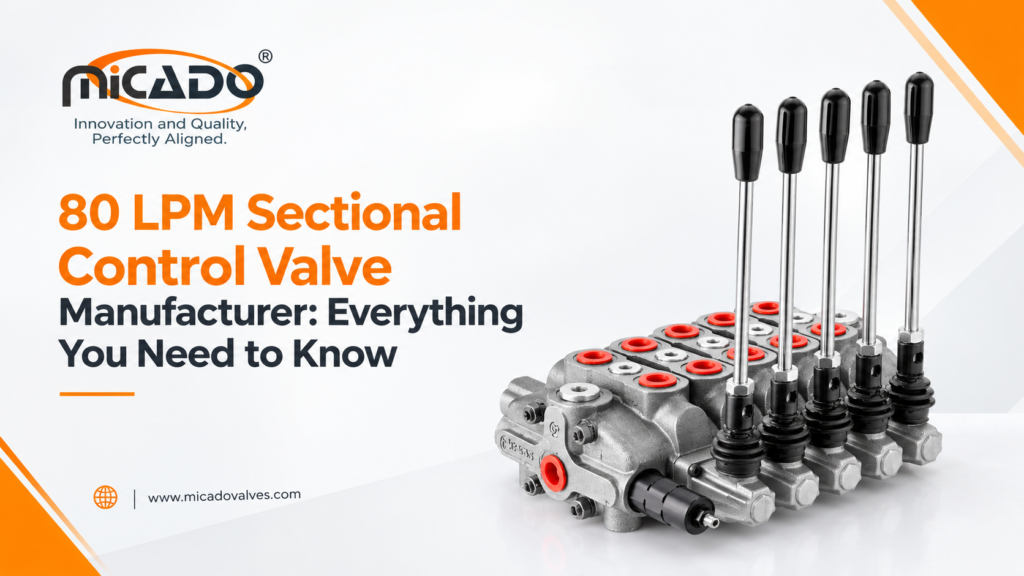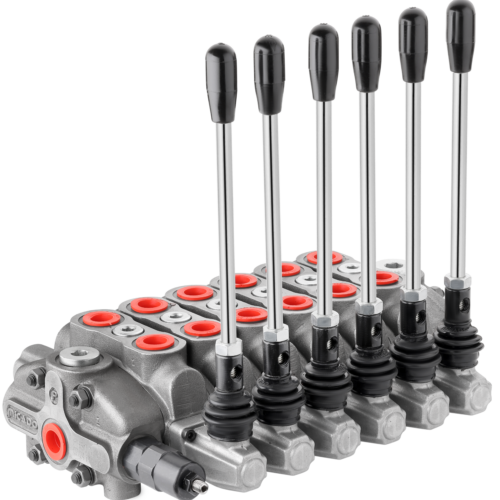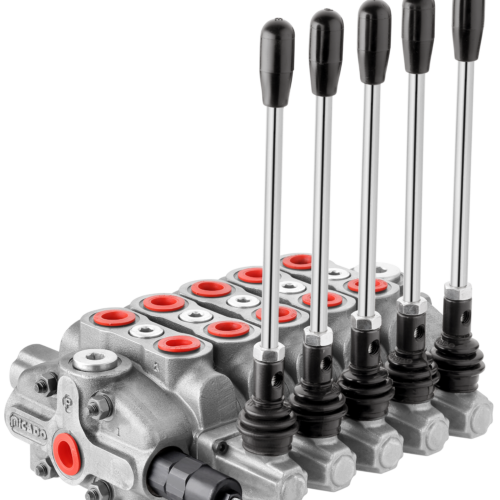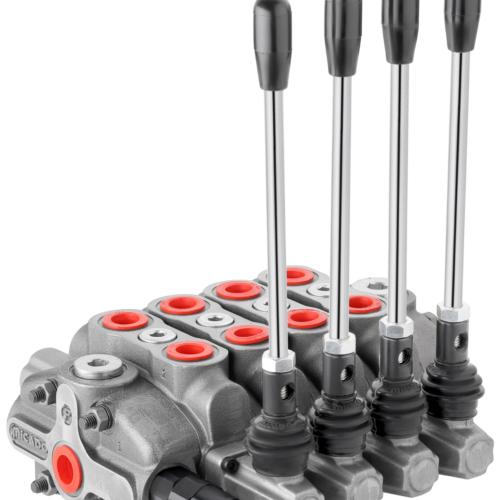
Hydraulic machines need precise control. Multiple functions often run at once. This is where lever-operated valves come in. A skilled 1 to 7 Lever Hydraulic Control Valve Manufacturer builds valve banks for exactly this need. These valves range from single-function to seven-function configurations. They serve agriculture, construction, and material handling equipment. This guide covers the features, benefits, and applications you should know before sourcing one.
What Is a 1 to 7 Lever Hydraulic Control Valve?
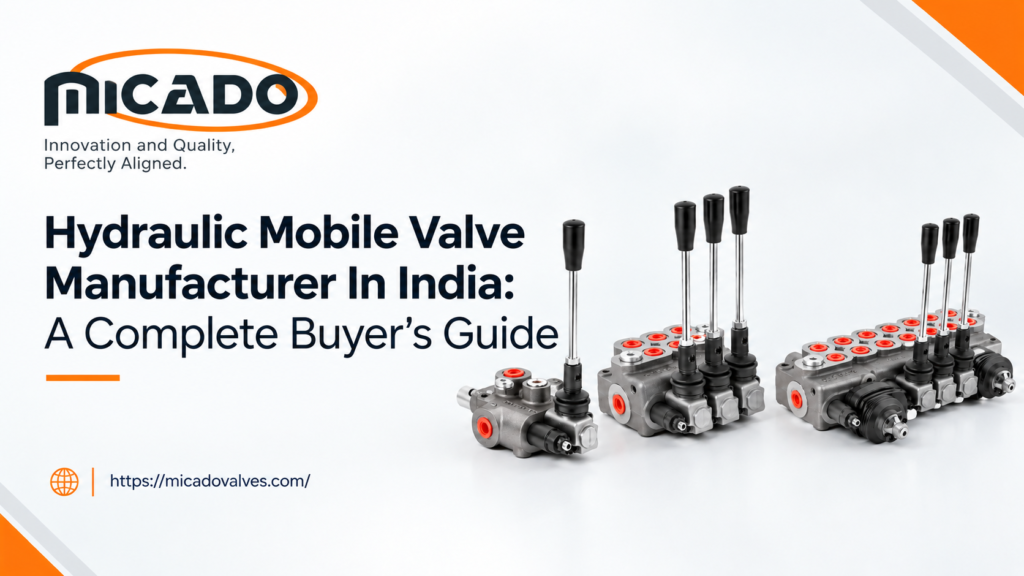
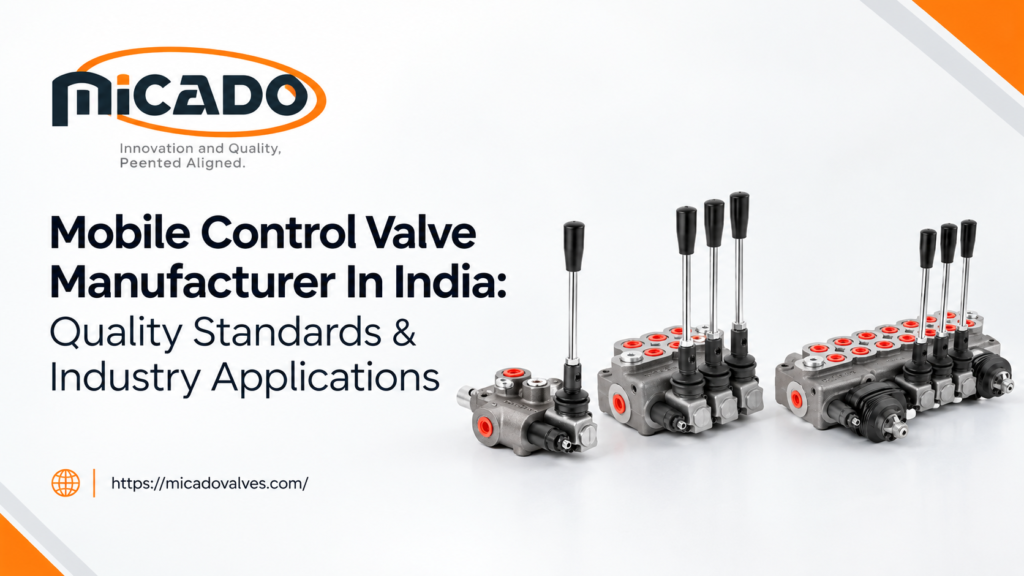
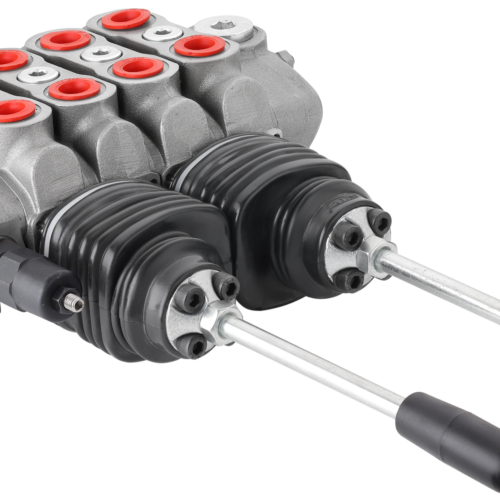
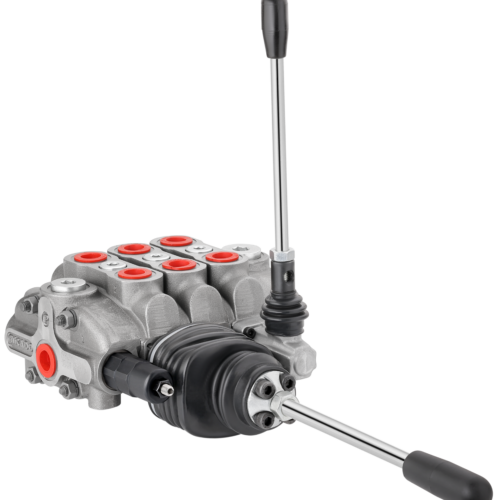
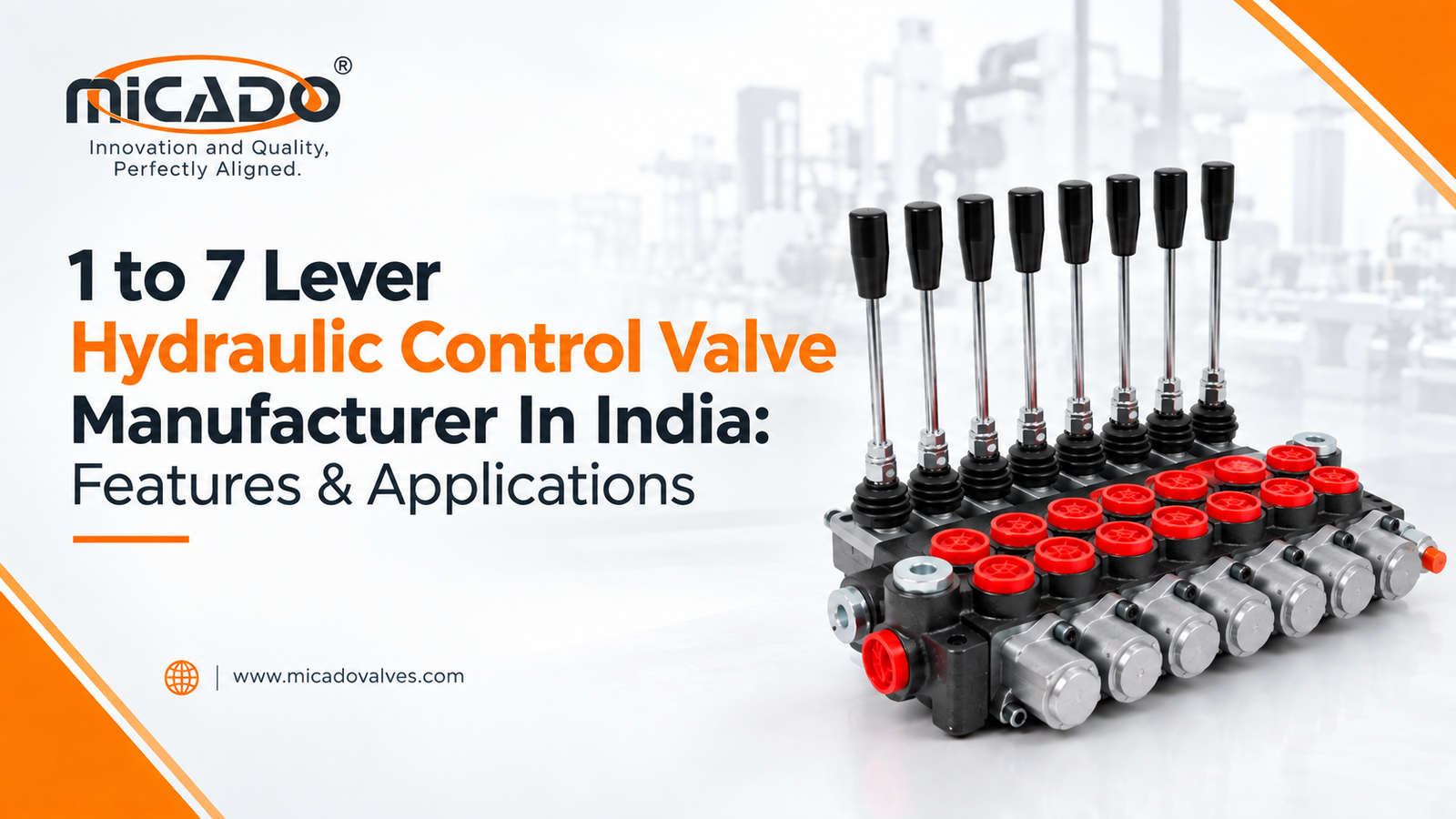
A lever hydraulic control valve uses manual levers to direct fluid flow. Each lever controls one hydraulic function. A single-lever valve manages one cylinder or motor. A seven-lever valve manages up to seven functions simultaneously. Operators get direct, tactile control this way. No electronics or hydraulics expertise is needed to operate them.
These valves are typically built as sectional assemblies. Each section bolts onto the next. This modular design lets manufacturers scale the valve to match machine complexity. A tractor loader might need just two levers. A large excavator or crane might need six or seven.
Why Lever Count Matters
Choosing the right lever count avoids two common problems. Too few levers limit machine functionality. Too many levers add unnecessary cost and complexity. A reliable 1 to 7 Lever Hydraulic Control Valve Manufacturer helps buyers match lever count to actual machine needs. This keeps the system efficient and cost-effective.
Key Features of a Quality Lever Control Valve
Not all lever valves perform equally. Here’s what separates a well-engineered valve from a mediocre one.
Pressure and Flow Capacity
Reliable valves handle working pressures of 200–250 bar. Flow capacity should match the machine’s pump output. Mismatched flow ratings cause sluggish or jerky operation. Always check the rated flow in LPM before selecting a valve.
Build Quality and Sealing
Precision-ground spools reduce internal leakage. Tight tolerances keep each lever’s action smooth and consistent. NBR seals handle standard mineral-based hydraulic oil well. They also resist wear across a wide temperature range, typically -20°C to 80°C.
Modular Sectional Design
A true 1 to 7 Lever Hydraulic Control Valve Manufacturer builds valves section by section. Each section is independently cast and machined. Sections bolt together with end plates on either side. This means buyers can order exactly the configuration they need, from one lever up to seven.
Integrated Safety Features
Quality valve banks include built-in relief valves. These protect the system from pressure spikes. Check valves prevent backflow and maintain stability under load. Some configurations also include anti-cavitation valves for applications with overrunning loads, like boom lowering on a crane.
Standardized Ports and Threading
BSP or SAE threading simplifies installation. It also makes future repairs easier. A valve with standard ports fits more machine brands. This reduces downtime if a section ever needs replacement.
Applications Across Industries
Lever-operated hydraulic valves serve a wide range of machines. Here’s where they’re used most.
Agricultural Machinery
Tractors, loaders, and tillers commonly use 2 to 4 lever valves. Lift, tilt, and auxiliary functions each need a dedicated lever. Plough overturning mechanisms often rely on an extra lever too. Farm equipment runs long hours outdoors. Dust and moisture resistance matter here.
Construction and Earthmoving Equipment
Excavators, backhoes, and loaders often need 4 to 6 lever valves. Boom, arm, bucket, and swing functions all require separate control. A skilled 1 to 7 Lever Hydraulic Control Valve Manufacturer builds these configurations to withstand constant vibration and shock loads common on job sites.
Cranes and Material Handling
Truck-mounted cranes frequently use 5 to 7 lever valve banks. Boom extension, rotation, outrigger control, and lifting all need coordination. Fine metering at each lever ensures smooth, controlled movement under load.
Tippers and Commercial Vehicles
Tipper trucks typically use 1 to 2 lever valves. One lever raises and lowers the bed. A second lever might control an auxiliary function, like a tailgate. High flow capacity and reliable check-valve protection are essential here.
Forklifts and Compact Equipment
Forklifts generally use 2 to 3 lever valves. Lift, tilt, and side-shift functions each get a dedicated lever. Compact size and precise control matter most in these applications.
Why Source From a Manufacturer in India
India has become a strong sourcing destination for hydraulic valves. Buyers worldwide increasingly look here. The reasons are straightforward.
Manufacturing Expertise
Rajkot, Gujarat, has emerged as a major hub for hydraulic valve production. Many manufacturers here have over a decade of experience. They understand how to build reliable, multi-lever configurations. Agricultural OEMs and construction equipment builders rely on them directly.
Customization and Flexibility
A true 1 to 7 Lever Hydraulic Control Valve Manufacturer works closely with buyers. They design valve banks to match specific circuits. Custom spool profiles, flow rates, and port configurations are all possible. This level of flexibility is harder to find with mass-market suppliers.
Cost-Effective Production
Indian manufacturers offer competitive pricing. Quality doesn’t get sacrificed for lower cost. Access to local raw materials, like cast iron and alloy steel, keeps lead times predictable. This benefits buyers who need consistent supply.
Export Readiness
Many Indian manufacturers already serve international markets. They understand varied regional standards and documentation. This makes cross-border sourcing smoother for global buyers.
How to Choose the Right Supplier
Before finalizing an order, ask these questions:
- Can they provide a detailed technical datasheet for each lever configuration?
- Do they offer flow and pressure ratings specific to your machine’s pump?
- Can they manufacture custom lever counts, from one up to seven?
- Do they manufacture in-house, or just assemble imported parts?
- Can they share references from similar OEM or export clients?
A transparent 1 to 7 Lever Hydraulic Control Valve Manufacturer answers these questions clearly. Vague or incomplete answers are a warning sign. Look for visible manufacturing infrastructure, not just marketing claims.
Conclusion
Lever-operated hydraulic control valves give operators precise, reliable control. The right lever count depends on your machine’s function count and complexity. Whether you need one lever for a tipper or seven for a crane, the manufacturer you choose shapes long-term performance. Partner with an experienced 1 to 7 Lever Hydraulic Control Valve Manufacturer. Look for proven pressure ratings, modular sectional design, and genuine in-house manufacturing. That combination delivers valves that perform reliably, configuration after configuration.