Finding the right Hydraulic Directional Control Valve Manufacturer shapes the performance of your entire machine. It decides how smoothly cylinders move. It also decides how long components last under pressure. Tractors, excavators, cranes, and tippers all depend on these valves. This guide explains what to look for in quality and where these valves get used across industry.
What Is a Hydraulic Directional Control Valve?
A hydraulic directional control valve routes pressurized fluid to cylinders and motors. It determines the direction of flow. This controls whether a cylinder extends or retracts. It also controls which motor function activates. These valves differ from simple on/off valves. They manage multiple flow paths through a single unit. Mobile machines rely on them constantly, often under vibration and dust.
Two common configurations dominate this category:
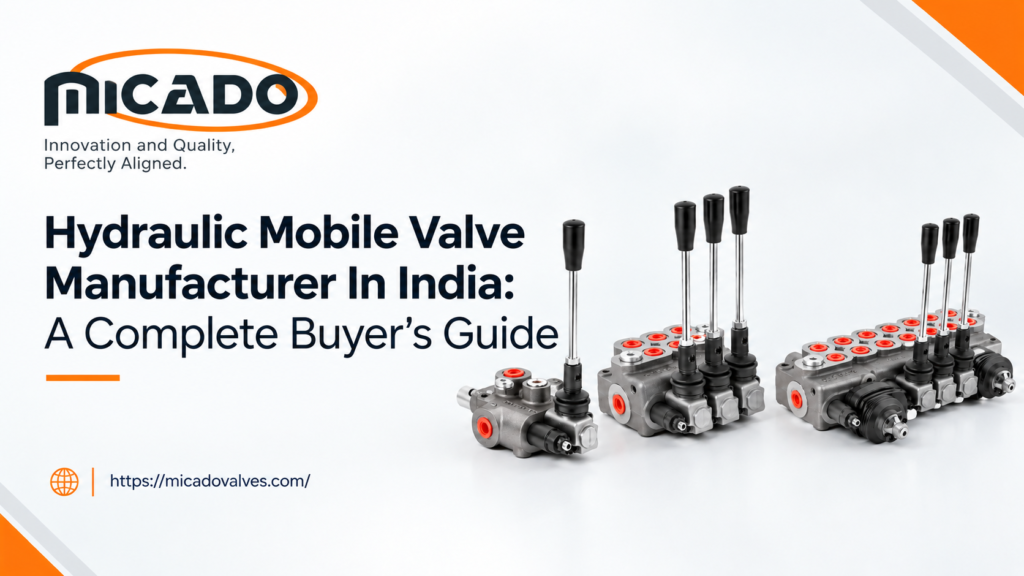
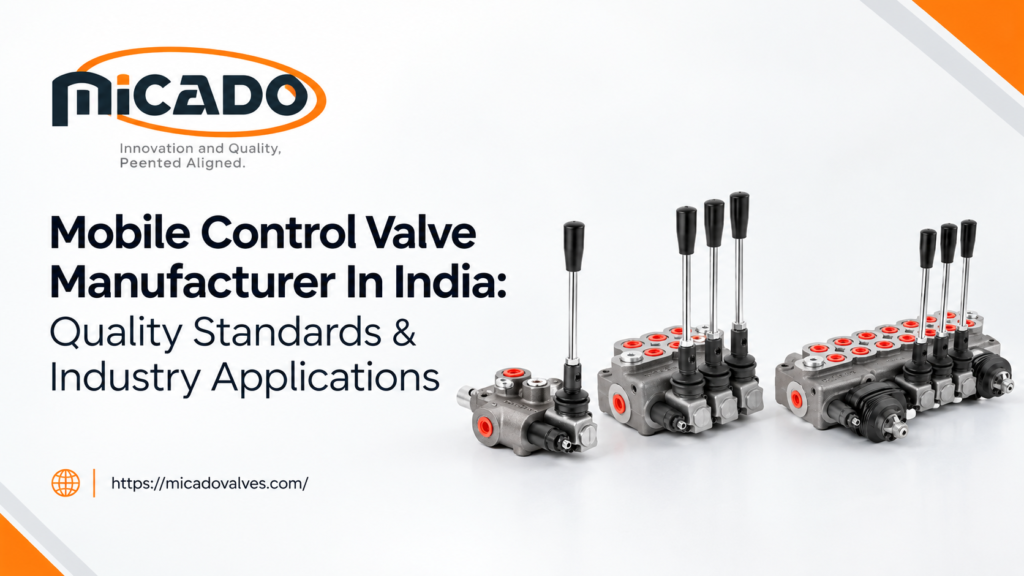
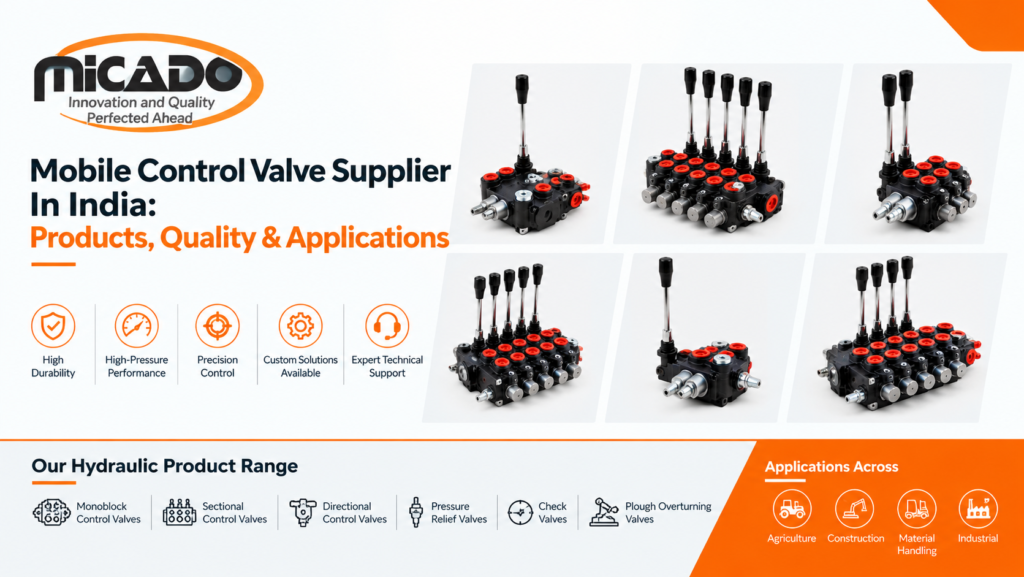
- Monoblock directional valves — cast as one solid body. They suit machines with a fixed number of functions.
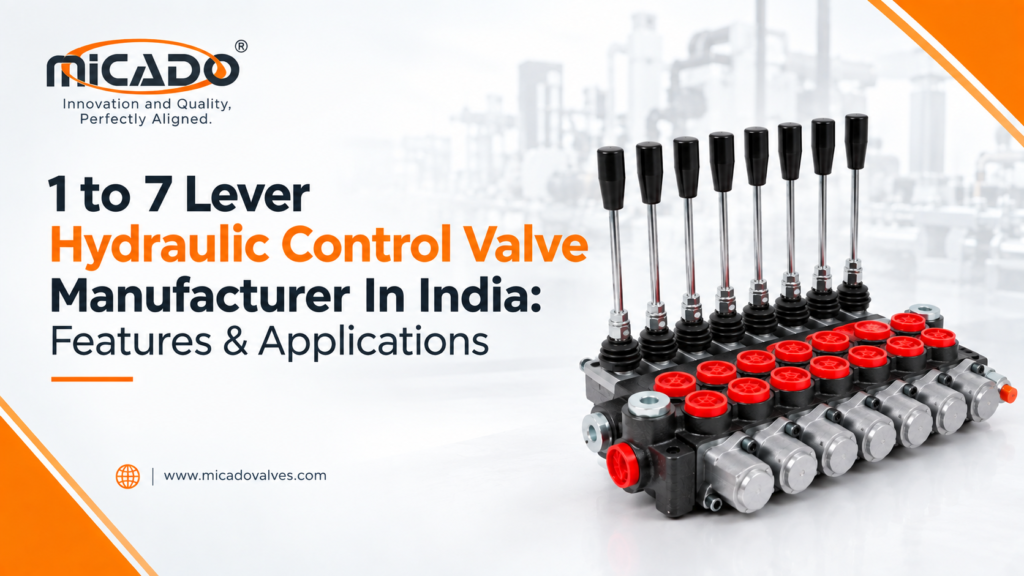
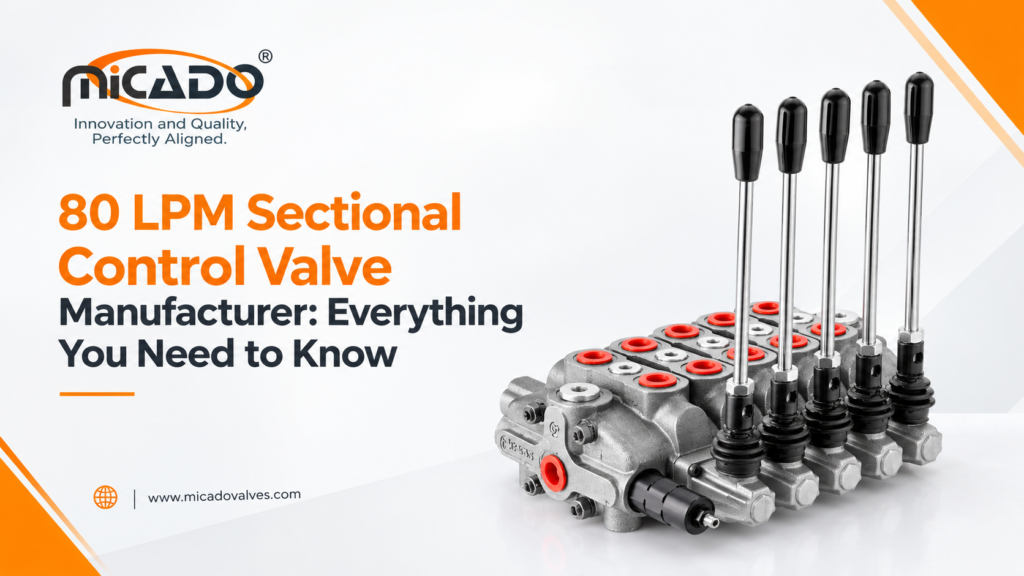
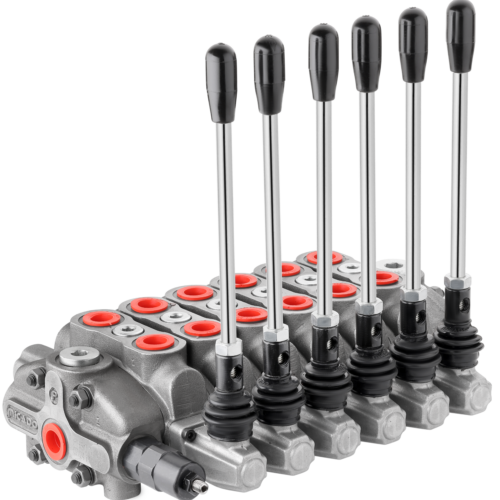
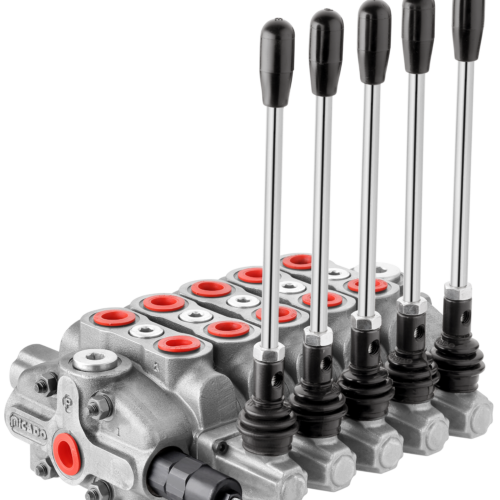
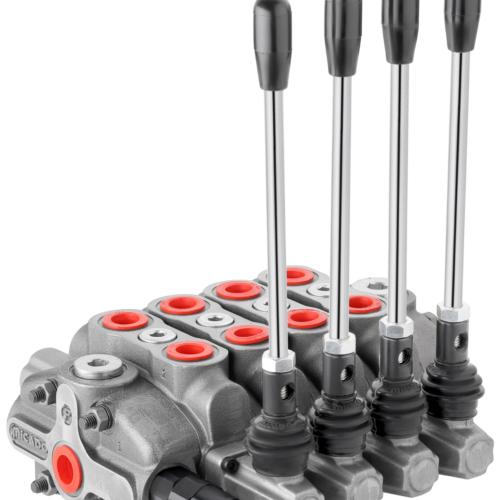
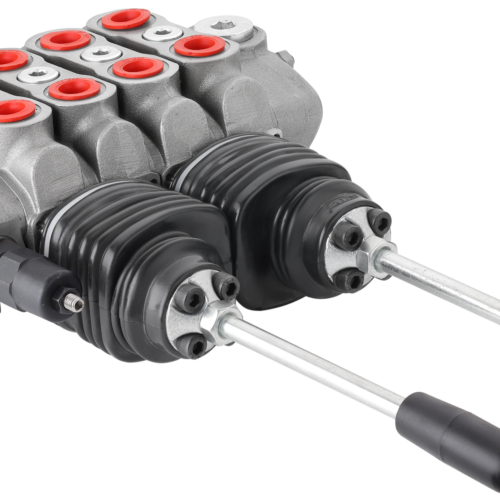
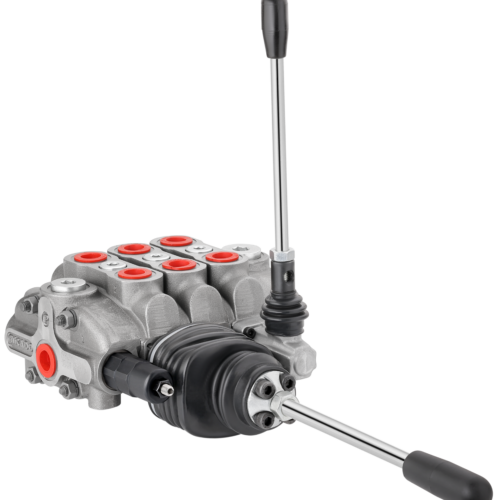
- Sectional directional valves — built from bolted sections. They allow custom function counts. OEMs can expand or reduce them as needed.
Why the Right Hydraulic Directional Control Valve Manufacturer Matters
Not every manufacturer delivers the same build quality. A dependable Hydraulic Directional Control Valve Manufacturer controls every production stage closely. Casting precision matters. So does spool machining tolerance. Every valve should undergo pressure testing before leaving the factory. This ensures consistent, repeatable performance. Poor manufacturing causes real problems. Internal leakage shows up quickly. Spool sticking follows soon after. Short service life becomes the norm. These failures get expensive fast, especially on remote job sites.
Quality Features That Define a Reliable Manufacturer
Check for these features when comparing suppliers:
- High pressure ratings — reliable valves handle 200–250 bar on the P, A, and B ports. A defined back-pressure limit on the tank line matters too.
- Wide temperature tolerance — quality valves work from -20°C to 80°C or beyond. NBR seals should suit standard mineral-based hydraulic oil.
- Precision-machined spools — tight tolerances reduce internal leakage. This keeps valve response sharp over time.
- Standardized porting — BSP or SAE threading simplifies installation. It also makes replacement parts easier to source later.
- Corrosion-resistant finishing — this extends service life in humid or dusty environments. India’s varied climate makes this especially relevant.
- Built-in relief and check valve options — these protect downstream components from pressure spikes and backflow.
A manufacturer who documents these specs clearly is worth trusting. Vague marketing claims are a red flag.
Applications of Hydraulic Directional Control Valves
These valves show up across nearly every machine that moves hydraulically. Here’s where they matter most.
Agricultural Machinery
Tractors and harvesters use directional valves constantly. So do loaders and tillers. These valves manage lift, tilt, and auxiliary functions. Farm equipment runs long hours outdoors. Dust resistance and moisture protection matter most here.
Construction and Mining Equipment
Excavators, loaders, and backhoes rely on sectional directional valves. Compactors use them too. Boom, arm, bucket, and swing functions all need coordinated control. Construction sites bring constant vibration. Valves need reinforced seals to handle daily shock loads.
Cranes and Forklifts
Truck-mounted cranes use multi-section directional valve banks. These control boom extension and rotation. Load lifting needs fine metering too. Forklifts use compact monoblock valves instead. Lift, tilt, and side-shift all require smooth, controlled movement.
Tippers and Commercial Vehicles
Tipper trucks use single or dual-spool directional valves. These raise and lower the truck bed safely. High flow capacity matters here. So does reliable check-valve protection. Without it, the bed could drop unexpectedly under load.
Why India Leads in Hydraulic Valve Manufacturing
Global buyers increasingly source hydraulic components from India. The reasons are clear. A well-established Hydraulic Directional Control Valve Manufacturer based in India combines engineering skill with cost efficiency. Export experience adds further confidence for international buyers.
Expertise Concentrated in Key Hubs
Rajkot, Gujarat, has become a major center for hydraulic valve production. Many manufacturers here have over a decade of experience. They serve agricultural OEMs directly. Construction equipment builders rely on them too. Export markets across the globe trust these manufacturers for consistent quality.
Cost Efficiency Without Compromise
Indian manufacturers offer competitive pricing. Quality doesn’t get sacrificed for lower costs. Custom configurations are common. Manufacturers work directly with OEMs on circuit-specific designs. This flexibility suits both small and large production runs.
Dependable Supply Chains
Raw materials like cast iron and alloy steel stay accessible locally. This keeps lead times predictable. Buyers avoid the delays common with overseas sourcing. Export-ready manufacturers already understand international documentation requirements. Regional compliance standards get met smoothly too.
How to Choose the Right Hydraulic Directional Control Valve Manufacturer
Before finalizing any order, ask these questions:
- Do they provide detailed technical datasheets? Check pressure ratings and flow capacity carefully.
- Can they offer sample units for testing? Trial runs prevent costly mistakes later.
- Do they manufacture in-house? Confirm this instead of just assembling imported parts.
- Can they share client references? Ask about similar applications and industries served.
- Do they offer both standard and custom valve configurations? Flexibility matters for long-term partnerships.
A transparent manufacturer answers these questions directly. Vague or evasive responses are a warning sign. Real manufacturing infrastructure should be visible, not just claimed on a website.
Conclusion
A dependable Hydraulic Directional Control Valve Manufacturer shapes how well your entire hydraulic system performs. Pressure ratings matter. Build quality and application fit matter just as much. Whether you need valves for tractors, excavators, cranes, or tippers, the right manufacturing partner makes the real difference. Look for proven engineering standards. Look for modular designs and genuine in-house manufacturing capability. That combination delivers valves that perform reliably, year after year.