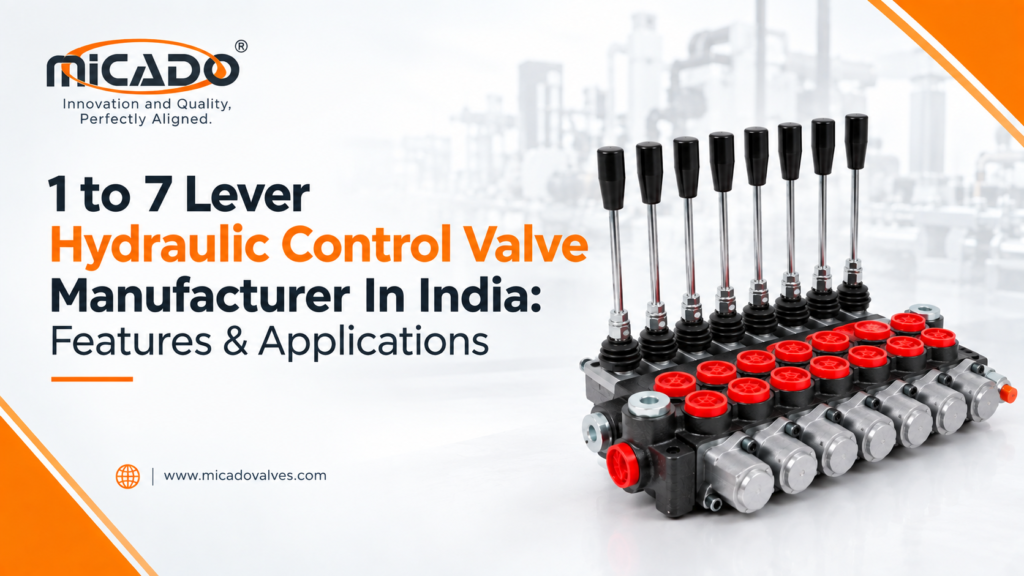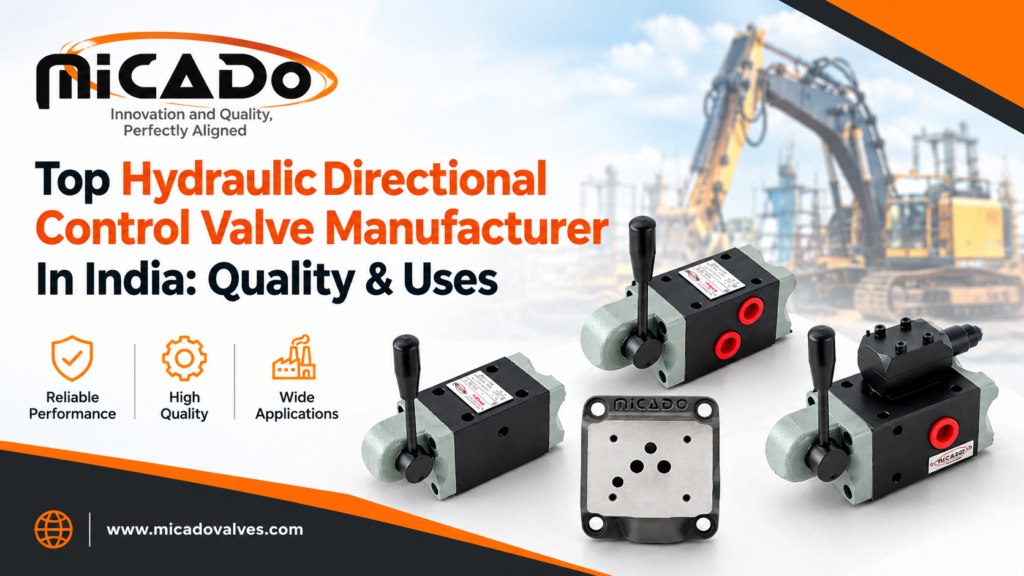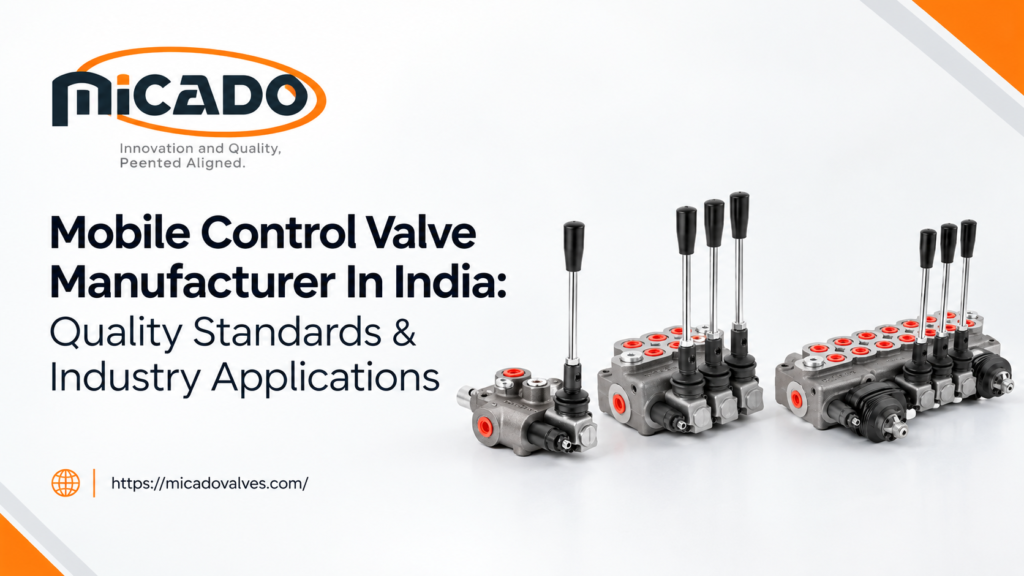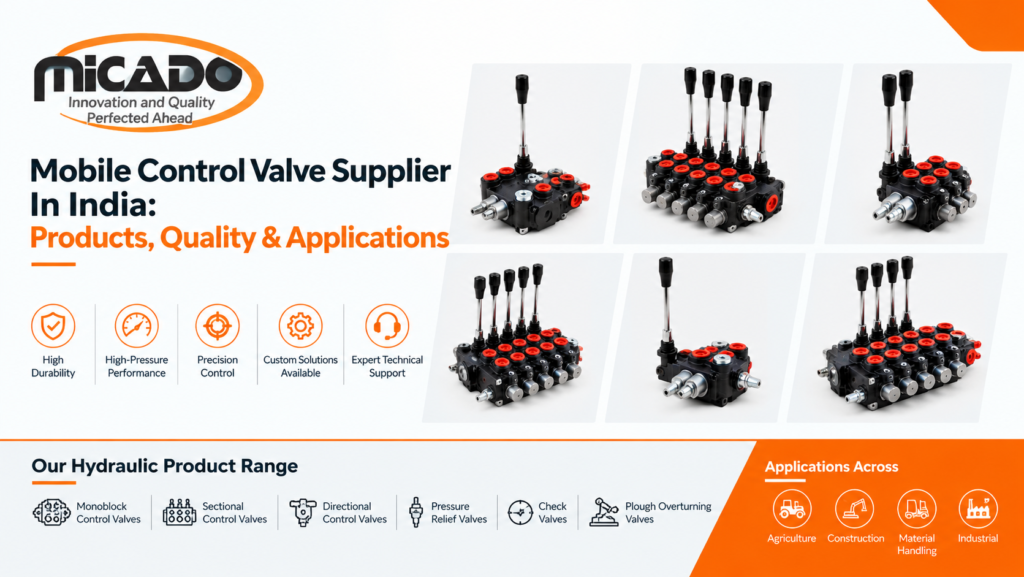
Buying hydraulic valves is a big decision. The right choice affects machine performance for years. Finding a reliable Hydraulic Mobile Valve Manufacturer matters more than most buyers realize. This guide covers everything you need to know. Products, quality checks, and real-world applications are all included. Use it to make a confident sourcing decision in India.
What Is a Hydraulic Mobile Valve?
A hydraulic mobile valve controls fluid flow in powered machinery. It directs pressurized oil to cylinders and motors. This lets operators control speed, direction, and force. Mobile valves work differently from stationary industrial valves. They handle vibration daily. Dust, moisture, and temperature swings are constant challenges too.
Two main configurations dominate this category:
- Monoblock valves — cast as a single unit. Compact and budget-friendly for simple hydraulic circuits.
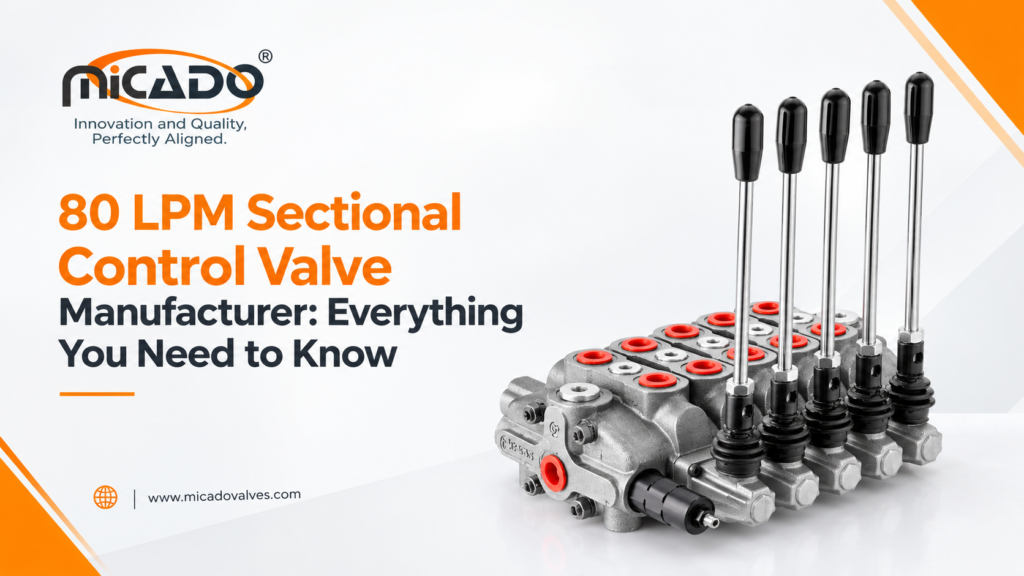
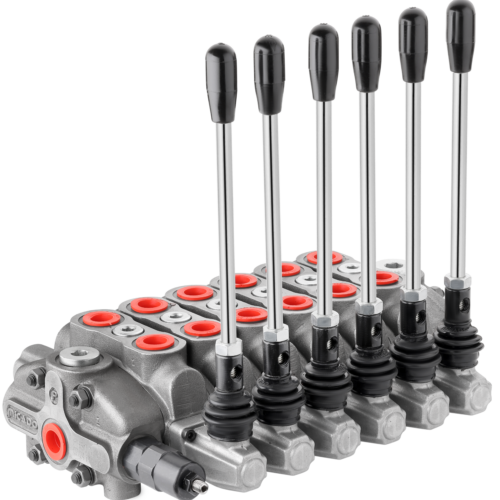
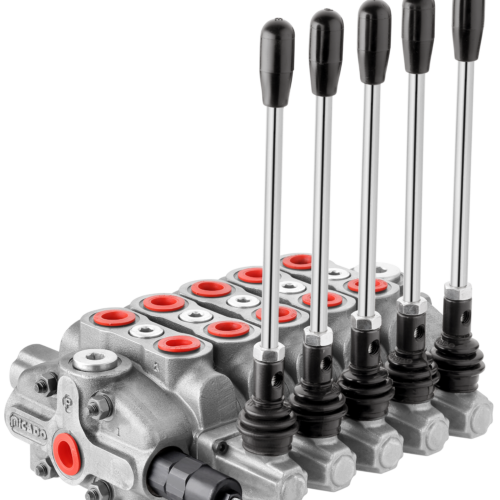
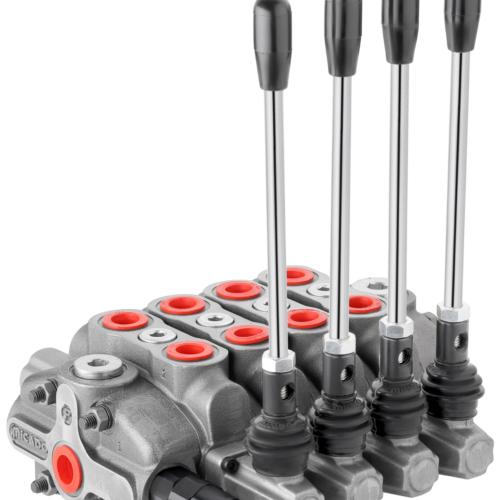
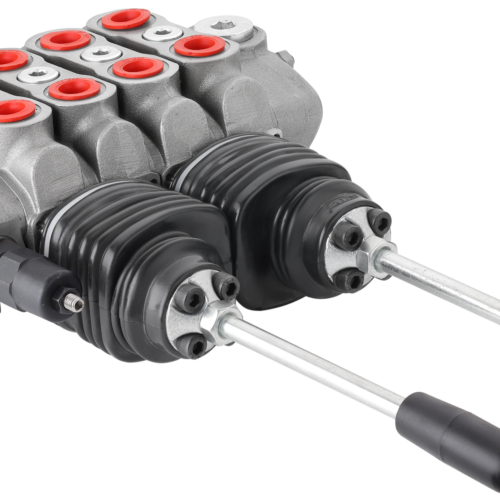
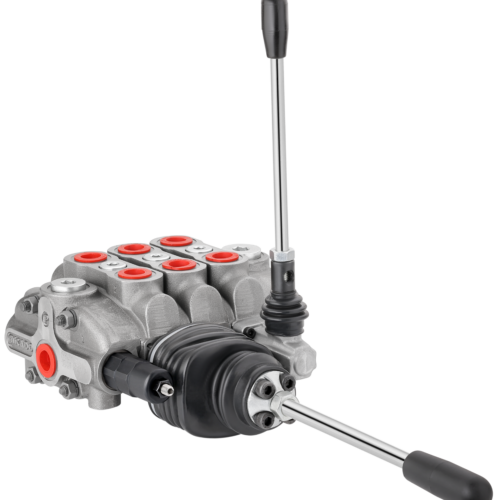
- Sectional valves — built from bolted sections. Fully customizable for machines needing multiple functions.
What Defines a Trustworthy Hydraulic Mobile Valve Manufacturer
Quality varies widely across suppliers. A genuine Hydraulic Mobile Valve Manufacturer controls every production step closely. Casting gets inspected. Machining tolerances get measured. Pressure testing happens before any unit ships out. This process ensures consistent performance across every batch. Cutting corners leads to real problems. Leakage, spool sticking, and short service life are common results. These failures get expensive fast, especially on remote worksites.
Product Range Worth Checking
A strong manufacturer offers more than one valve type. Look for this range before committing to a supplier:
- Monoblock control valves — simple, compact, cost-effective.
- Sectional control valves — modular and customizable per machine.
- Hand lever operated directional control valves — manual precision control.
- Pressure relief valves — protect systems from overload.
- Check valves — prevent backflow and keep circuits stable.
- Specialized valves — like plough overturning valves for farm implements.
A manufacturer with this full lineup can serve many industries at once. You won’t need multiple vendors for different machine types.
Quality Checks Every Buyer Should Make
Quality determines whether a valve lasts five years or fifty thousand cycles. Here’s what to verify before placing an order.
Pressure and Temperature Specs
Reliable valves handle 200–250 bar working pressure. Check this across the P, A, and B ports specifically. A defined back-pressure limit on the tank line matters too. Temperature tolerance should span -20°C to 80°C or wider. NBR seals should suit standard mineral-based hydraulic oil.
Build Quality and Materials
Precision-ground spools reduce internal leakage significantly. Corrosion-resistant coatings extend valve life. This matters most in humid or dusty regions. India’s varied climate makes this especially relevant. Coastal areas and dry inland zones both bring different wear patterns.
Fitting and Port Standards
BSP or SAE threading simplifies installation work. It also makes future replacements easier to source. A Hydraulic Mobile Valve Manufacturer offering standard ports fits more machine brands. This reduces downtime when repairs become necessary.
Where These Valves Are Used
Hydraulic mobile valves appear across nearly every powered machine category. Here’s where demand runs highest.
Agricultural Equipment
Tractors, harvesters, and loaders depend on these valves daily. Tillers and plough attachments use them too. Lift, tilt, and auxiliary functions all rely on reliable valve performance. Farm machinery runs long hours outdoors. Dust and moisture resistance become critical here.
Construction and Mining Machinery
Excavators, loaders, and backhoes use sectional valves heavily. Compactors rely on them as well. Boom, arm, bucket, and swing functions all need coordinated control. Construction sites bring constant vibration and shock loads. Valves need reinforced seals to survive daily use.
Cranes and Forklifts
Truck-mounted cranes use multi-section valve banks. These manage boom extension and rotation together. Load lifting demands fine metering control. Forklifts use compact monoblock valves instead. Lift, tilt, and side-shift functions need smooth, precise movement.
Tippers and Commercial Trucks
Tipper trucks use single or dual-spool valves for bed control. High flow capacity matters here significantly. Reliable check-valve protection matters just as much. Without it, the truck bed could drop unexpectedly under load.
Why India Leads in Hydraulic Valve Manufacturing
Global buyers increasingly turn to India for hydraulic components. The reasons behind this shift are clear. A well-established Hydraulic Mobile Valve Manufacturer in India blends engineering skill with cost efficiency. Export experience adds another strong advantage.
Manufacturing Hubs and Experience
Rajkot, Gujarat, has become a leading hub for valve production. Many manufacturers here have over a decade of hands-on experience. They supply agricultural OEMs directly. Construction equipment builders rely on them too. Export markets worldwide trust these suppliers consistently.
Cost Benefits Without Compromise
Indian manufacturers offer genuinely competitive pricing. Quality doesn’t get sacrificed to hit lower costs. Custom configurations are common across the industry. Manufacturers work directly with OEMs on circuit-specific designs.
Dependable Supply Chains
Raw materials like cast iron and alloy steel stay locally accessible. This keeps production lead times predictable. Buyers avoid the delays typical of overseas sourcing. Export-ready manufacturers already understand international documentation requirements.
How to Choose the Right Manufacturer
Before finalizing your supplier, ask these direct questions:
- Do they provide detailed technical datasheets? Check pressure and flow specs closely.
- Can they offer trial units for testing? Sample testing prevents costly mistakes later.
- Do they manufacture in-house? Confirm this rather than assuming.
- Can they share references from past clients? Ask about similar applications.
- Do they offer standard and custom configurations both? Flexibility matters for long-term partnerships.
A transparent Hydraulic Mobile Valve Manufacturer answers these questions without hesitation. Vague or evasive responses are a clear warning sign.
Conclusion
Choosing the right valve supplier shapes your machine’s performance for years to come. Product range matters. Build quality and application fit matter just as much. Whether you need valves for tractors, excavators, cranes, or tippers, the right manufacturer makes a real difference. Partner with a proven Hydraulic Mobile Valve Manufacturer that offers verified pressure ratings, modular designs, and genuine in-house production. That combination delivers valves built to perform reliably, year after year.