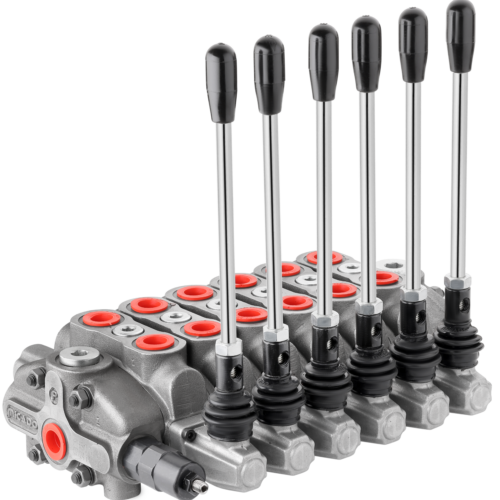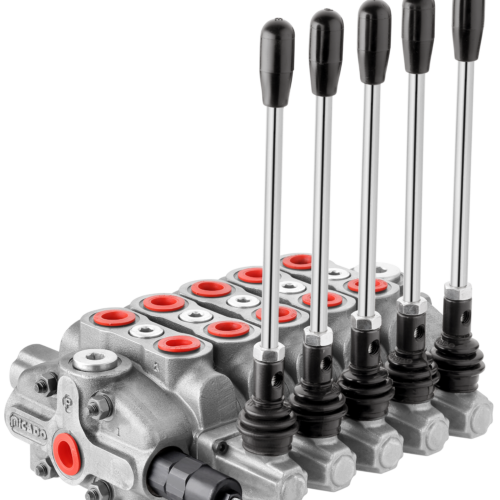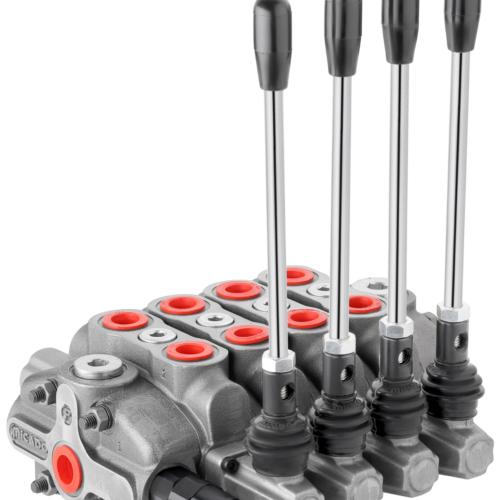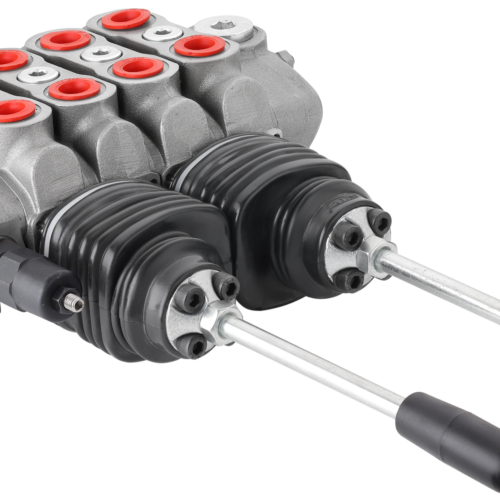
When it comes to building reliable, high-performance hydraulic systems, the valve at the heart of the circuit makes all the difference. Whether you’re running construction equipment, agricultural machinery, material handling systems, or industrial mobile equipment, finding the right Sectional Control Valves Manufacturer is one of the most important sourcing decisions you’ll make. In this guide, we’ll break down what sectional control valves are, why they matter, and how to choose a manufacturer you can trust for the long haul.
What Are Sectional Control Valves?
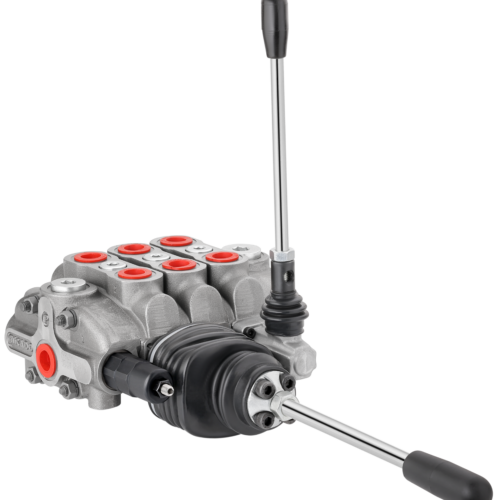
Sectional control valves are modular hydraulic valves built from individual sections that can be stacked together to control multiple hydraulic functions independently. Unlike monoblock valves, which are cast as a single fixed unit, sectional valves offer flexibility — you can add, remove, or reconfigure sections based on the number of hydraulic circuits your machine needs.
This modularity makes sectional valves the preferred choice for:
- Construction equipment (excavators, loaders, cranes)
- Agricultural machinery (tractors, harvesters, sprayers)
- Material handling equipment (forklifts, truck-mounted cranes)
- Firefighting and municipal vehicles
- Custom mobile hydraulic applications
Because each section can independently manage flow direction, pressure, and rate, sectional valves give engineers precise control over complex, multi-function hydraulic systems — something a single fixed-block valve simply can’t match.
Why Choosing the Right Sectional Control Valves Manufacturer Matters
Not all valves are built the same, and the difference often comes down to who’s manufacturing them. A dependable Sectional Control Valves Manufacturer brings together precision engineering, quality materials, and rigorous testing to ensure the valve performs reliably under continuous pressure and load cycles.
Here’s why this decision carries so much weight:
1. Performance Under Pressure
Hydraulic systems often operate at pressures ranging from 200 to 350+ bar. A poorly manufactured valve can leak, fail, or degrade quickly under this stress, leading to costly downtime and safety risks.
2. Longevity and Durability
Valves manufactured with high-grade cast iron or steel bodies, precision-machined spools, and proper sealing technology last significantly longer — reducing total cost of ownership even if the upfront price is slightly higher.
3. Application-Specific Customization
Every machine has different flow, port, and pressure requirements. A manufacturer with strong in-house engineering capability can tailor sectional valves — number of sections, spool configuration, relief settings — to your exact application.
4. After-Sales Support and Availability
Machinery downtime is expensive. Working with a manufacturer that offers responsive technical support, spare parts availability, and consistent lead times keeps your operations running smoothly.
Key Features to Look for in a Sectional Control Valve
Before finalizing a supplier, evaluate the following technical and operational factors:
- Material Quality – Cast iron or ductile iron bodies for corrosion resistance and strength
- Pressure Rating – Typically 200–350 bar depending on application
- Flow Rate Capacity – Usually ranges from 40–150+ l/min per section
- Number of Sections – Configurable from 2 to 12+ sections based on machine complexity
- Spool Type – Open-center, closed-center, or load-sensing configurations
- Relief Valve Integration – Built-in overload protection for safer operation
- Sealing and Leak-Proof Design – Minimizes internal and external leakage over time
- Certifications and Testing Standards – Indicates consistent quality control
Why India Has Become a Hub for Hydraulic Valve Manufacturing
India’s engineering and manufacturing sector has grown into a globally recognized source for hydraulic components, combining skilled technical expertise with cost-competitive production. States like Gujarat and Maharashtra host clusters of established hydraulic component manufacturers with decades of combined experience serving both domestic OEMs and export markets.
This growth has been driven by:
- Strong domestic demand from construction, agriculture, and material handling industries
- Increasing export demand from markets in the Middle East, Africa, and Southeast Asia
- Investment in precision machining and quality testing infrastructure
- Competitive manufacturing costs without compromising on engineering standards
For businesses sourcing hydraulic components, working with an experienced Sectional Control Valves Manufacturer based in India often means shorter lead times, easier communication, and the flexibility of custom engineering support — advantages that are harder to get from overseas suppliers.
What Sets a Trusted Manufacturer Apart
A manufacturer that has been in the hydraulic valve business for well over a decade typically brings a level of process maturity that newer entrants can’t match. This includes:
- Established Manufacturing Processes – Consistent casting, machining, and assembly standards refined over years of production
- In-House Quality Control – Pressure testing, leak testing, and dimensional checks before dispatch
- Wide Product Range – Directional control valves, mobile control valves, and sectional valves under one roof, simplifying procurement for OEMs
- Industry Reputation – A track record of serving industrial and mobile hydraulic applications across India and international markets
One such example is Micado Valves, operating under Pelican Hydro Technica since 2007, based in Rajkot, Gujarat. The company has built its reputation as a Sectional Control Valves Manufacturer by focusing on precision engineering and consistent product performance across a wide range of industrial and mobile hydraulic applications — the kind of manufacturing discipline that OEMs and equipment builders look for when selecting a long-term valve supplier.
How to Evaluate a Manufacturer Before You Buy
Before placing a bulk or long-term order, it’s worth doing your due diligence. Here’s a simple checklist:
- Request technical datasheets for pressure ratings, flow rates, and materials used
- Ask about customization options for your specific machine or application
- Check manufacturing history — how long has the company been producing hydraulic valves?
- Inquire about testing protocols — does every valve undergo pressure and leak testing?
- Evaluate lead times and MOQs to ensure they align with your production schedule
- Look for export experience if you need consistent quality documentation for international shipments
Final Thoughts
Sectional control valves are a critical component in any multi-function hydraulic system, and the manufacturer you choose directly impacts your machine’s performance, safety, and lifecycle cost. When evaluating options, prioritize a Sectional Control Valves Manufacturer with proven manufacturing experience, robust quality control, and the engineering flexibility to support your specific application needs.
India’s hydraulic component industry — with established players like Micado Valves — offers a strong combination of technical capability and cost efficiency, making it a smart place to source dependable sectional control valves for both domestic and export-oriented projects.