If you work in agriculture, construction, material handling, or industrial machinery, you already know that hydraulic performance depends heavily on one component that rarely gets the spotlight — the control valve. Choosing the right Monoblock Control Valves Manufacturer can make the difference between a machine that runs smoothly for years and one that suffers frequent breakdowns, leaks, or inefficient flow control.
With so many suppliers claiming to offer “the best” hydraulic valves, how do you separate genuine engineering expertise from marketing promises? This guide breaks down exactly what to evaluate before you place an order, so you end up with a valve system that’s reliable, durable, and built for your specific application.
Understanding Monoblock Control Valves and Their Industrial Importance
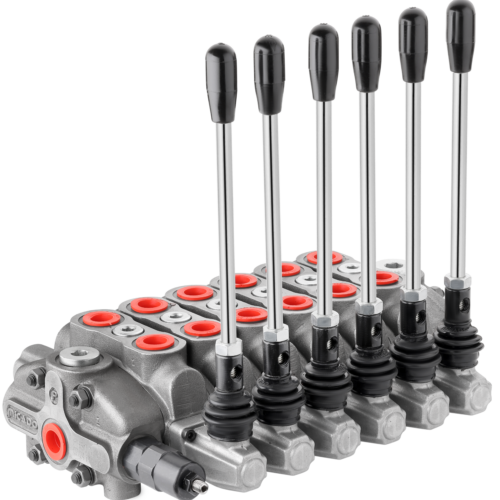
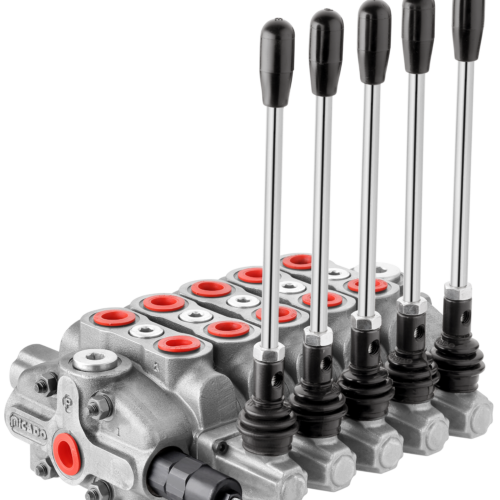
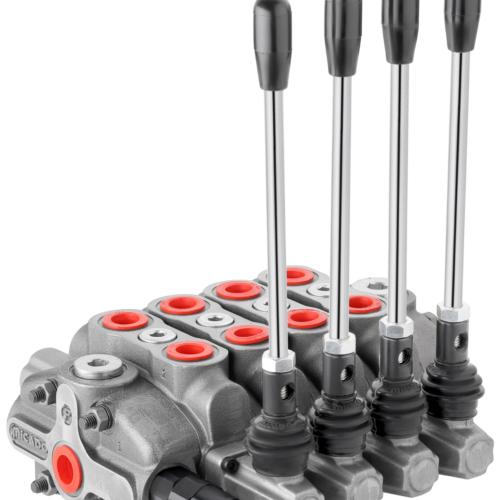
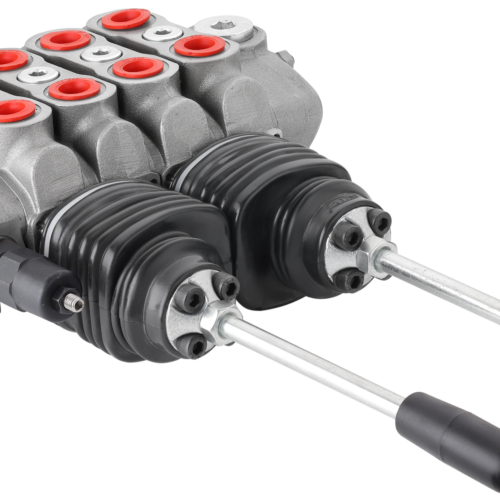
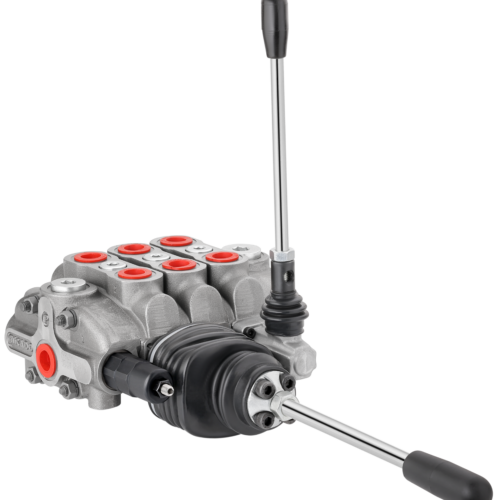
Monoblock control valves are directional control valves machined from a single block of metal, typically housing multiple spools within one integrated body. Unlike sectional valves, which are assembled from separate stacked sections, a monoblock design offers a more compact, leak-resistant, and structurally rigid solution.
These valves are widely used to regulate the flow and direction of hydraulic fluid in machinery such as:
- Agricultural equipment (tractors, sprayers, implements)
- Construction machinery (loaders, excavators, cranes)
- Material handling equipment (forklifts, tippers)
- Mining and earthmoving vehicles
Because the entire valve body is a single casting, monoblock valves generally have fewer joints and seals, which translates into lower risk of external leakage and more consistent performance under high pressure. This is exactly why sourcing from a genuinely capable Monoblock Control Valves Manufacturer matters — the quality of the casting, machining tolerances, and spool fit directly determine how well the valve performs in the field.
Key Factors to Consider When Choosing a Monoblock Control Valves Manufacturer
Not every supplier that lists hydraulic valves in its catalog has the engineering depth to back it up. Here are the factors that actually separate a dependable manufacturer from an average one.
Manufacturing Experience and Industry Expertise
Hydraulic valve manufacturing is a precision discipline. Small variances in machining tolerances can lead to internal leakage, pressure drop, or premature wear. Look for a manufacturer with a proven track record spanning many years, ideally one that has been refining its processes since the early 2000s or earlier. Long-standing manufacturers have typically encountered — and solved — the wide range of field issues that newer entrants haven’t yet faced. Ask how long the company has been in business, what industries it primarily serves, and whether it can share case studies or client references from sectors similar to yours.
Range of Products and Customization Capability
Your application may need a 2-spool valve for a simple task or a multi-spool configuration for complex, simultaneous operations. A capable manufacturer should offer a broad product range — monoblock valves, sectional valves, directional control valves, pressure relief valves, and check valves — along with the flexibility to customize port sizes, spool configurations, and pressure ratings to your exact specification. A one-size-fits-all catalog is often a sign that the manufacturer isn’t equipped for application-specific engineering.
Material Quality and Certifications
The durability of a hydraulic valve depends heavily on the grade of material used in the body casting and the spools, along with the seal compounds selected for the operating environment. Reputable manufacturers use high-grade cast iron or steel bodies, precision-ground spools, and seals rated for the fluid temperatures and pressures your machinery will encounter. Ask about quality certifications, in-house testing procedures, and whether every valve undergoes pressure and leakage testing before dispatch. A transparent manufacturer will never hesitate to walk you through its quality control process.
Working Pressure, Flow Rate, and Technical Specifications
Every application has different hydraulic demands. Before finalizing a supplier, confirm the valve’s rated working pressure, maximum flow rate, back-pressure tolerance, and compatible fluid types. A manufacturer with strong technical documentation — datasheets, pressure charts, and dimensional drawings — signals engineering maturity rather than guesswork. This is also where a specialized, experienced supplier proves its worth, since generic sellers often lack detailed, application-specific technical support.
After-Sales Support and Technical Assistance
Hydraulic systems require occasional troubleshooting, spare parts, or configuration guidance long after the initial purchase. A manufacturer that offers responsive after-sales support — including spool replacement, seal kits, and installation guidance — saves you significant downtime and cost over the life of the equipment. Before committing, ask about warranty terms, spare parts availability, and typical turnaround time for support queries.
Applications of Monoblock Control Valves Across Industries
Monoblock valves aren’t limited to one type of machinery. Their compact, robust design makes them suitable across a wide spectrum of hydraulic systems:
- Agriculture – tractors, ploughing equipment, and sprayers rely on precise flow control for implement operation.
- Construction – excavators, loaders, and cranes use monoblock valves to manage multiple simultaneous hydraulic functions.
- Material Handling – forklifts and tippers depend on smooth, responsive directional control for safe lifting and tipping operations.
- Mining and Earthmoving – heavy-duty vehicles require valves rated for continuous, high-pressure operation in demanding conditions.
Because the requirements vary so much across these use cases, working with a manufacturer that understands multi-industry application engineering is essential rather than optional.
Why Experience and In-House Manufacturing Matter
Choosing a Manufacturer with In-House Production Control
One detail that’s easy to overlook is whether your supplier actually manufactures the valves in-house or simply trades them. An in-house Monoblock Control Valves Manufacturer has direct control over casting quality, machining precision, assembly standards, and final testing — all of which translate into consistent product quality batch after batch. Traders and resellers, by contrast, often cannot guarantee consistency because they’re sourcing from multiple third parties with varying quality standards.
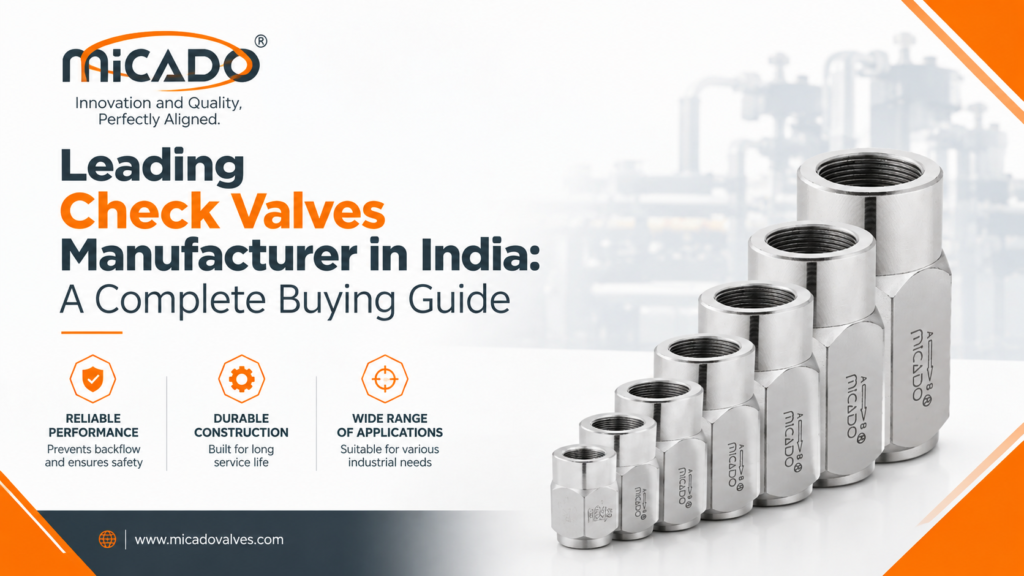
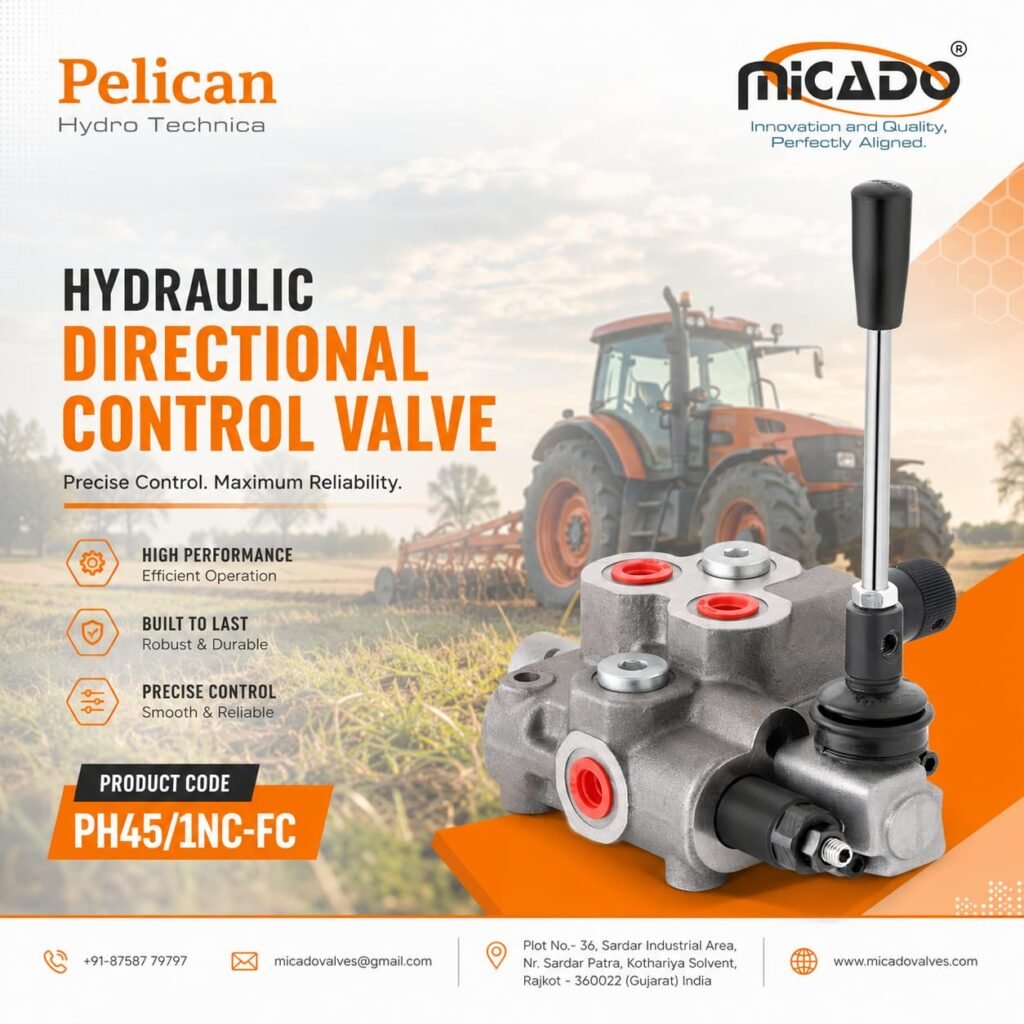
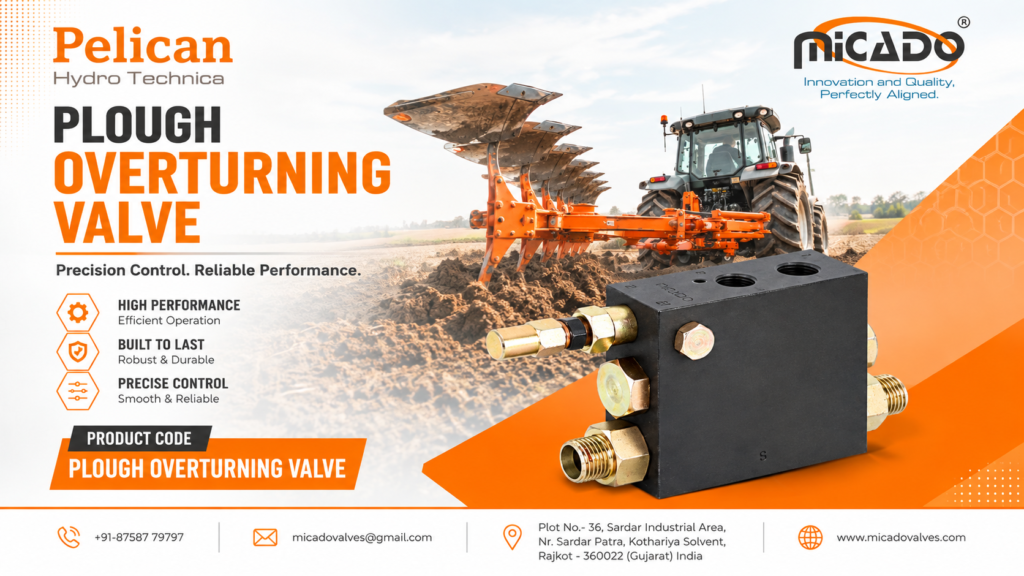
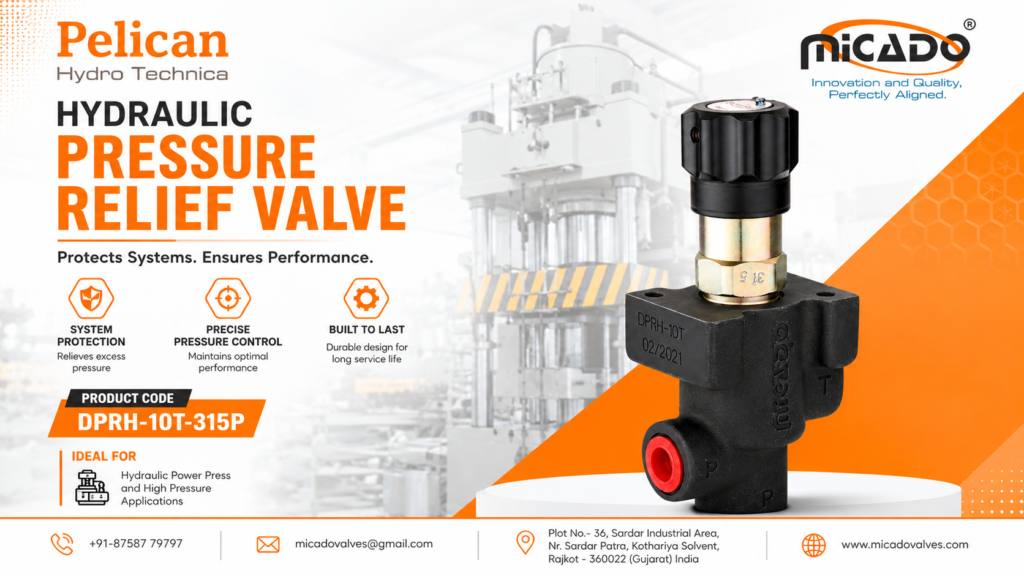
Companies like Micado Valves, based in Rajkot, Gujarat, and operating in the hydraulic valve industry since 2007, illustrate what long-term, in-house manufacturing expertise looks like — offering monoblock and sectional control valves, hand-lever operated directional control valves, pressure relief valves, check valves, and plough overturning valves, all engineered under one roof with an established quality control process.
Questions to Ask Before Finalizing Your Supplier
Before you sign off on an order, it helps to have a short checklist ready:
- How many years of manufacturing experience does the company have?
- Can they customize spool configuration, port size, and pressure rating?
- What quality certifications and testing procedures do they follow?
- Do they manufacture in-house or outsource production?
- What does after-sales and warranty support look like?
- Can they provide technical datasheets and dimensional drawings?
- Do they have experience serving your specific industry (agriculture, construction, mining, etc.)?
Running through these questions with any prospective supplier will quickly reveal whether they’re a serious engineering partner or simply a reseller.
Final Thoughts
Selecting the right Monoblock Control Valves Manufacturer isn’t just a procurement decision — it directly affects the reliability, safety, and lifespan of the machinery you depend on daily. Prioritize manufacturing experience, in-house quality control, material standards, application-specific customization, and dependable after-sales support over price alone. A slightly higher upfront cost from an experienced manufacturer almost always pays for itself through fewer breakdowns, less downtime, and longer equipment life.
Take the time to evaluate potential suppliers against the criteria in this guide, ask the right technical questions, and you’ll be well positioned to choose a partner capable of delivering hydraulic valves that perform reliably for years to come.